

China to introduce new national standards for vegetable oils from August 1, 2026
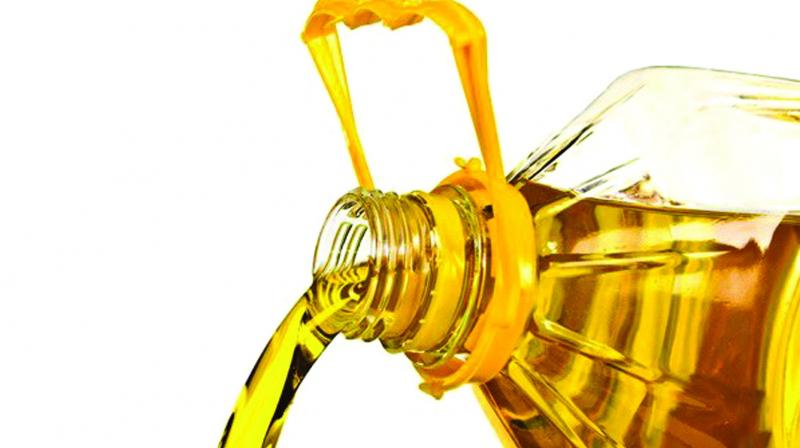
Starting August 1, 2026, the People’s Republic of China will implement updated national standards (GB/T) for four major edible vegetable oils — peanut, soybean, sunflower, and corn oil. The new regulations will replace the 2017 version and cover more than 70% of vegetable oil consumption in the country. The changes aim to improve product safety and quality, as well as ensure clearer classification and greater transparency for consumers.
For soybean oil, a clear distinction between two production types is introduced for the first time: “pressed soybean oil” and “extraction soybean oil”. This will allow a more precise differentiation between mechanically pressed oil and solvent-extracted oil. The new definition is expected to reduce market confusion and increase trust in labeling.
In sunflower oil standards, new categories will be introduced, including “linoleic type” (≥65% linoleic acid), “oleic type” (≥65% oleic acid), and “sunflower kernel oil.” The classification will also distinguish between crude and refined oil, with refined oil further divided into pressed and extracted types. This is particularly important for China as one of the largest importers of sunflower oil.
Overall, the grading system will be simplified, with most oil categories reduced from four quality levels to three. Quality requirements will be tightened, including acidity and peroxide values, and a maximum solvent residue limit of 20 mg/kg for extracted oils. Labeling rules will also become stricter, requiring disclosure of production method, fatty acid profile, GMO status, and shelf life after opening.
For Ukrainian exporters of sunflower oil and soybean products, the new Chinese standards will mean stricter quality and labeling requirements, but also new opportunities in premium and high-transparency market segments. A transition period will allow sales under old standards until product expiration, after which the Chinese market will become more structured and demanding.
Read also
Vietnam assesses risks of rising feed prices amid geopolitical tensions
В Украине посеют на 15-20% больше гречихи
Excess pesticide levels found in fourth shipment of Argentine sunseed to Bulgaria
Ukraine 2026–2030: Global Drivers and Local Transformation
Domestic soybean prices in Ukraine continue to rise, although export prices have s...




Got additional questions?
We will be happy to assist!
Write to us
Our manager will contact you soon