

Argentina’s booming meat exports are raising concerns about potential environmental problems
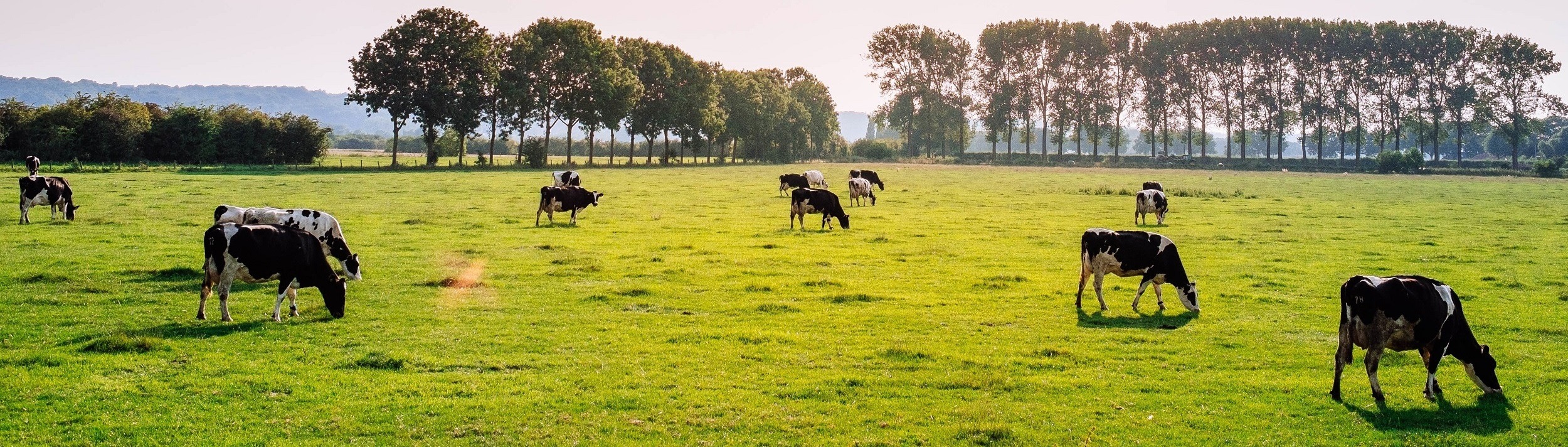
With the EU-Mercosur agreement coming into force in May 2026, the growth of Argentina’s meat exports has become a litmus test for whether international trade can expand without weakening environmental protections.
While the European Union, through its Green Deal, is demanding increasingly stringent standards, other markets such as China and the United States are setting much more lenient conditions, creating a regulatory gap that allows for increased exports without requiring compliance with stricter environmental standards.
Expanding Production and Deforestation
Argentina is experiencing a period of production growth: beef exports are reaching record levels, and production is intensifying. However, this growth is already impacting sensitive regions such as the Gran Chaco, the second-largest forest in South America after the Amazon.
According to Global Forest Watch, the expansion of agricultural activities, including soy production for livestock feed, is associated with deforestation and forest conversion. This highlights how export-oriented intensification can put pressure on ecosystems and threaten biodiversity.
Animal Welfare and Unequal Standards
The animal rights organization Sinergia Animal warns that the EU-Mercosur agreement could contribute to weakening environmental and animal welfare protections. Their investigations into auction markets in Argentina and Chile reveal extreme cruelty to animals, reinforcing the idea that increased production is not always accompanied by equivalent protections.
When export growth is prioritized in markets that lack sustainability requirements, a “race to the bottom” in standards arises, resulting in ecosystems, water security, and public health becoming collateral damage in global supply chains.
Statements from Animal Synergy
Romina Vizcarret, the organization’s director in Argentina, emphasized: “The growth of meat exports is part of an increasingly interconnected global food system, but it is impossible without considering its impact on ecosystems, natural resources, and animal welfare. Sustainable trade must strengthen these standards, not weaken them.”
Beyond beef: the case of eggs
The intensification of production is not limited to meat. According to the Argentine Chamber of Poultry Producers and Processors (CAPIA), by 2025, Argentina will become the world’s largest egg consumer, producing 398 eggs per capita per year and nearly 19 billion eggs.
To support this level of consumption, more than 62 million hens are kept in conventional battery cages, a system banned in the European Union since 2012. Given this situation, Vizcarret noted that “if Argentina is a leader in consumption, it must also strive to be a leader in animal welfare standards.”
The growth of Argentine beef production and the intensification of livestock farming pose a serious dilemma for the country: can it expand its role in global trade without compromising environmental protection and animal welfare principles?
The challenge is to ensure that international agreements and domestic policies do not become an incentive for deregulation, but rather an opportunity to strengthen standards and guarantee truly sustainable trade.



Got additional questions?
We will be happy to assist!
Write to us
Our manager will contact you soon