

Argentina’s beef supply has fallen to its lowest level in 15 years
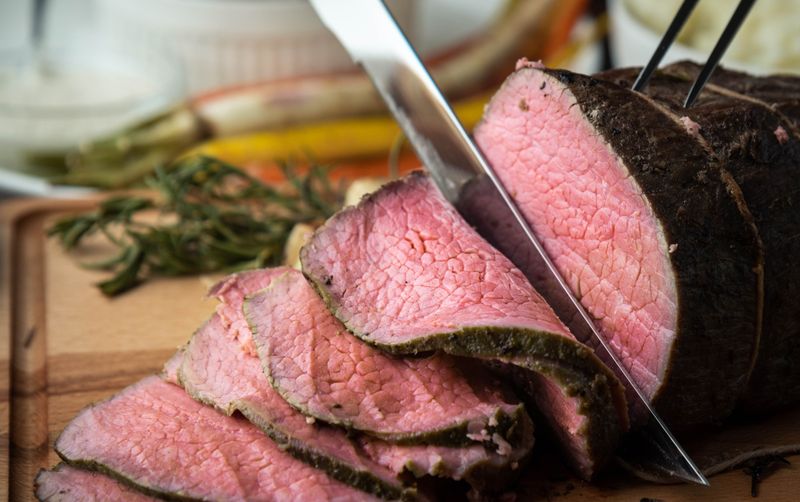
Despite strong external demand, beef supply for both domestic consumption and export has fallen to 62 kilograms per capita per year.
Domestic production continues to suffer from the consequences of the economic model imposed by Javier Milei and Luis Caputo. The collapse affects not only industry, the sector that creates the most jobs, but also agriculture. In 2025, beef supply for both domestic consumption and export fell to 62 kilograms per capita per year.
Amid rapidly rising meat prices paid by Argentines in stores, supply has declined again and is at its lowest level in 15 years.
A decline in livestock numbers and a decrease in slaughter rates account for a significant portion of this decline, limiting meat supply and affecting both the domestic market and export trends.
The decline in livestock numbers is primarily due to a decrease in their numbers. There are currently approximately 51 million head of cattle in a population of approximately 49 million, representing a mere 1.1 head per person.
Half a century ago, this ratio exceeded two heads per capita, leading to increased meat availability and a greater share of international trade.
And the outlook this year is far from improving. Forecasts for the first two months of the year suggest cattle slaughter could fall below 13 million head, approximately 600,000 fewer than last year. In carcass weight terms, beef supply, which declined 9% year-on-year in the first two months, will decline by approximately 200,000 tonnes.
Last year, as this year, cattle slaughter declined significantly in the first two months and then stabilized in the following months. By December 31, 2025, the cattle herd is projected to be just over 51 million head, the lowest level in 15 years. A slight decline in cow numbers and a significant decline in heifer numbers are expected.
Despite rising global demand and international prices, domestic beef supplies have declined so much that they call into question the one million ton export forecast for this year. Demand for beef, primarily from large buyers such as China, Europe, and the United States, continues to grow and outstrips available supply, creating opportunities for producing countries.
Competition between markets helps support international prices and increases interest in meat from exporting countries.
In 1924, Argentina’s beef production was 190 kilograms per capita, sufficient for domestic consumption of 94 kilograms per capita (the highest in the world) and exports of 924,000 tonnes. This allowed our country to account for 50% of the global beef market and become the world’s leading exporter.
Half a century later, in 1978, production remained very high: 116 kilograms per capita, and the herd numbered 60 million heads, out of a population of 25 million.
However, this figure rapidly declined in subsequent years. In 2005, production remained at 83 kilograms per capita per year. Today, the total amount of meat available per capita (export and consumption) is only 62 kilograms.




Got additional questions?
We will be happy to assist!
Write to us
Our manager will contact you soon