

Xi Jinping calls to boost grain production amid intensified trade war
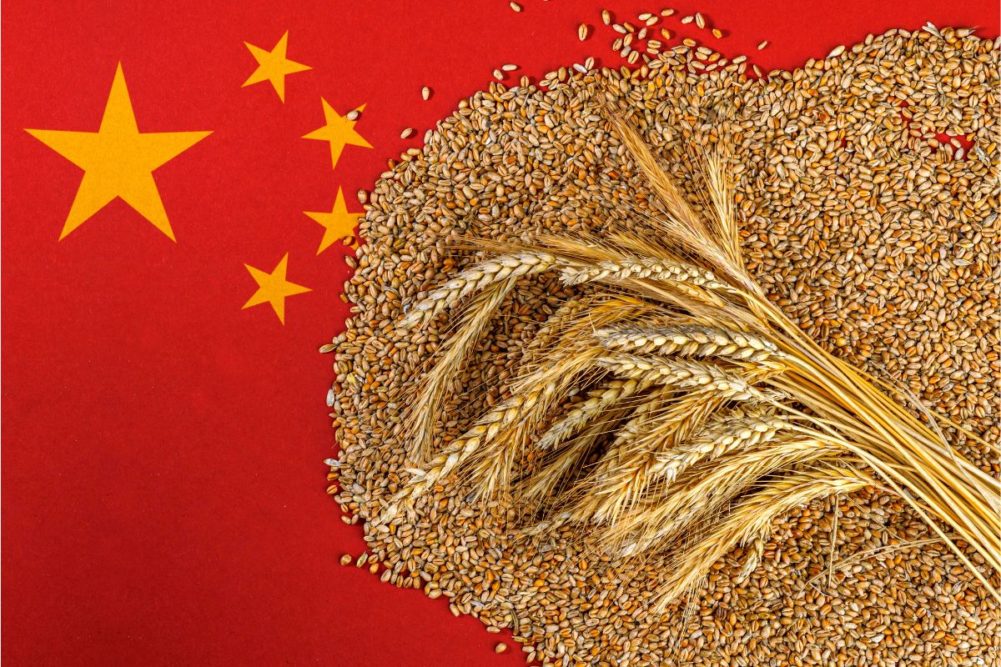
Chinese President Xi Jinping has issued a mandate to expand grain production as the country seeks to shield its food supply from global volatility. Speaking at a two-day work conference in Beijing that concluded on Tuesday, Xi stressed the need to modernize agriculture and rural areas over the coming year, urging a “no-relaxation” approach to increasing crop yields.
Xi highlighted the importance of integrating high-quality land, seeds, machinery, and modern farming techniques to raise overall production capacity and efficiency. “We must improve the effectiveness of policies to strengthen agriculture, benefit rural areas, enrich farmers, and maintain grain and other key products at reasonable prices,” the state news agency Xinhua reported.
Food security has taken on added urgency amid geopolitical volatility, with self-reliance increasingly viewed as a critical buffer against external shocks from major exporters such as the United States and Russia. Earlier this year, Beijing temporarily suspended imports of U.S. soybeans after U.S. President Donald Trump launched his second trade war, prompting China to turn to Brazilian supplies while simultaneously ramping up domestic production capacity.
Officials at the conference pledged to intensify a nationwide drive to raise grain production capacity by an additional 50 million tonnes by 2030, targeting an average yield of about 420 kg per mu. The plan also includes deep rural reforms, such as extending land contracts by 30 years in pilot provinces after current contracts expire around 2027, and implementing innovative investment and financing mechanisms to support rural revitalization.
According to the National Bureau of Statistics, China’s total grain output grew 1.2% year-on-year in 2025 to reach 714.9 million tonnes, with an average yield of 399.1 kg per mu, up 1.1% from 2024. Soybean imports, the agricultural product China relies on most from overseas, increased 7.3% by volume during the first 11 months of 2025, while corn imports fell 86.1%, reflecting the country’s push for greater self-sufficiency.
Read also
MERCOSUR Agri Markets: The Forces Reshaping Global Supply
Ukraine Adjusts to Costly Spring Campaign and Builds a New Farming Model
Alternative to the Strait of Hormuz: Saudi Arabia will transport goods by rail
Moroccan grain importers face rising costs amid Middle East conflict
Sunflower oil demand in India may drop 10% amid supply disruptions




Got additional questions?
We will be happy to assist!
Write to us
Our manager will contact you soon