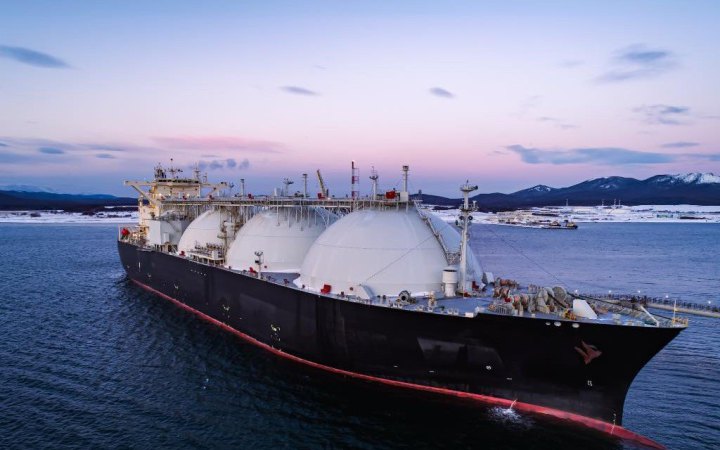
Global liquefied natural gas (LNG) markets could face a shortage within as little as 10 days following the effective halt of supplies from the Persian Gulf, caused by Iran’s blockade of the Strait of Hormuz and strikes on Qatar’s infrastructure.
This was reported by the Financial Times.
Qatar, which produces around one-fifth of the world’s LNG, was forced to suspend exports after Iran blocked the Strait of Hormuz at the entrance to the Persian Gulf in the early days of the conflict.
Since then, the massive LNG production facility in Ras Laffan Industrial City has suffered severe damage following Iranian missile strikes this week, triggering a sharp rise in gas prices across Asia and Europe.
Some tankers loaded before the outbreak of the war are still en route, meaning many importers are only now beginning to feel the shortage. According to tracking data, just one final LNG cargo from the region is expected to reach Asia, while six are heading to Europe.
Countries reliant on imports to power their economies will be forced to pay exorbitant prices to compete for LNG supplies from the United States and other producers, switch to alternative fuels, or require households and businesses to reduce consumption.
Pakistan appears to be the most vulnerable, having relied almost entirely on Qatari LNG last year. Its two terminals have reduced operations to one-sixth of normal capacity and may shut down completely by the end of the month.
China receives about 30% of its LNG from the Persian Gulf, but has some domestic gas production and may shift to coal-fired power generation if necessary.
Japan also plans to increase the use of coal and nuclear energy for electricity generation. In January, it partially restarted operations at the world’s largest nuclear power plant in Niigata Prefecture.
According to analysts, global LNG supplies will remain constrained until more vessels are allowed to pass through the Strait of Hormuz.