

Winter triticale emerges as a key crop for cnservation agriculture in the US
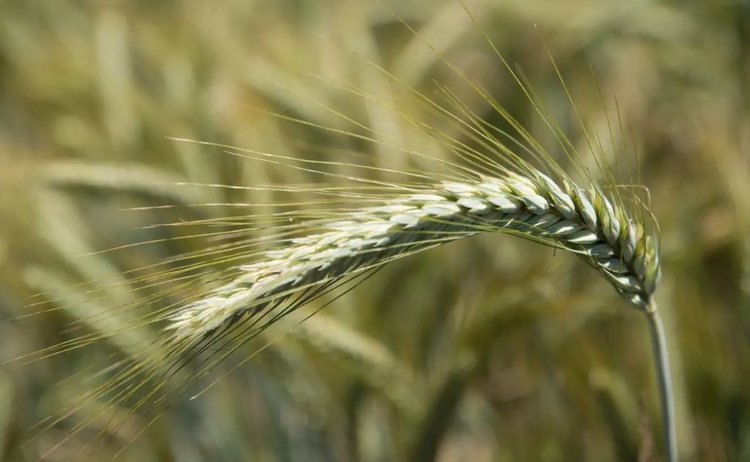
Winter triticale, a hybrid of wheat and rye, is rapidly gaining popularity in crop rotations and conservation agriculture across the United States. Agronomists note that its use helps combat soil compaction, improves soil health and structure, and provides high-quality feed for livestock. As a result, fields following triticale see corn yields increase by 4–7% and soybean yields by 8–15%.
The crop effectively reduces soil erosion, enhances water retention, and enriches the land with organic matter. Agronomist Tom Kilser of Advanced Ag Systems LLC highlights that winter triticale is widely used across the U.S. and Canada, as well as for dairy cattle feed in European countries such as Ireland, Germany, and Hungary.
One major advantage of triticale is its ability to control phosphorus losses in both particulate and dissolved forms. The plants’ large, football-sized roots anchor the soil, while dissolved phosphorus is converted into an organic matrix that remains in the field. This improves fertility and preserves nutrients for subsequent crops in the rotation.
Winter triticale also aids in nitrogen retention and gradual release from soil organic matter. In rotations with this crop, 36–45 kg of nitrogen per hectare remains annually, boosting corn and soybean productivity while maintaining healthier soil.
Farmers on clay and compacted soils report significant improvements in water infiltration thanks to triticale. In areas like the Hudson Valley, where soils can alternate between overly wet and dry conditions, the crop stabilizes growing conditions and enhances yield potential.
To loosen compacted fields, Kilser uses a soil preparation method followed by sowing winter triticale. The crop develops a robust root system in loosened soil, prevents re-compaction, and after senescence, forms organic channels that allow air and water circulation while reducing nutrient runoff.
Experts emphasize that regularly planting cover crops like winter triticale is a systematic approach to stabilizing soil, improving its structure, and conserving moisture. This practice allows farmers to optimize resource use, reduce nutrient losses, and ensure sustainable production of feed and grain.
Further development of the grain and oilseed markets of Ukraine and the Black Sea region will be in the spotlight of the BLACK SEA GRAIN. KYIV conference, taking place on April 22–23 in Kyiv. The event will focus on strategic directions for the agricultural sector through 2030, including investments, energy independence, processing, and exports of high-value products.
Join strategic discussions and networking with industry leaders to gain актуальна insights, discover new business opportunities, and build partnerships with key market players.
Read also
Black Sea & Danube: Crop and Export Forecast
Ukraine to expand sunflower and rapeseed area while soybeans decline — FAS USDA
Wheat faces biggest weekly drop in eight months on higher inventories
Cargill’s head of world trading departs firm after three decades
Indonesia deploys African weevils to boost palm oil output




Got additional questions?
We will be happy to assist!
Write to us
Our manager will contact you soon