

US remains Mexico’s leading grain supplier, but competition is intensifying
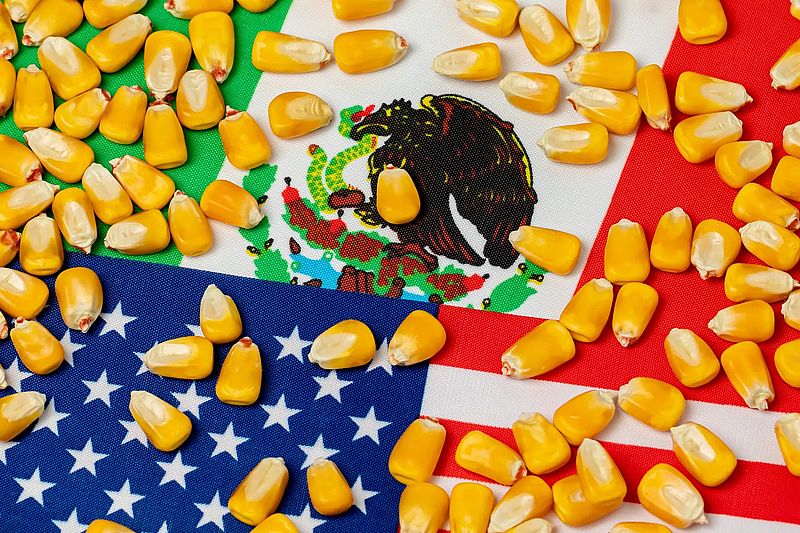
The United States continues to hold its position as the main supplier of grain and feed ingredients to Mexico, which is already the largest export market for U.S. agricultural products. However, a new report by consulting firm Terrain indicates that Mexico’s importance for U.S. producers of corn, soybeans and feed ingredients will continue to grow amid rising meat consumption, population growth and limited domestic crop production.
According to the analysts, trade relations between the United States and Mexico have been “complementary” for decades: the U.S. efficiently supplies feed ingredients, while Mexico exports fruits and vegetables. This integration has deepened over time. In 2024, U.S. agricultural exports to Mexico exceeded $30 billion, nearly 7% more than in 2023, and U.S. products now account for about 75% of Mexico’s total agricultural imports.
For grain and oilseed producers, Mexico’s share in total U.S. exports has steadily increased over the past 20 years. Recurrent droughts and adverse weather conditions have constrained Mexico’s domestic production of row crops, particularly corn and soybeans, increasing reliance on imports. Terrain analysts believe this trend is unlikely to reverse in the near term, with soybeans and soybean meal expected to post the strongest export growth to Mexico through 2030, followed by corn.
Rising meat consumption is a key driver of demand. According to data cited in the report from the U.S. Department of Agriculture, total meat consumption in Mexico has nearly doubled over the past 25 years, rising from about 5.6 million metric tons in 2000 to more than 10 million metric tons in 2025. Looking ahead, IMF-based forecasts suggest GDP growth of around 4% per year through 2030 and population growth of about one million people annually, which could push meat demand up by another 12% by the end of the decade.
Despite growing competition as Mexico expands and diversifies its port capacity, the United States retains a significant logistical advantage due to proximity and rail access. In 2024, about 65% of shipments moved by rail and 33% by sea, giving U.S. suppliers efficient access to Mexico’s interior regions. Terrain notes that continued investment in rail and port infrastructure on both sides of the border will be crucial to maintaining this edge, warning that if U.S. infrastructure deteriorates, competitors such as Brazil could gain market share as Mexico’s port capacity increases.




Got additional questions?
We will be happy to assist!
Write to us
Our manager will contact you soon