

US–Nigeria wheat trade to hit US$700M by 2025
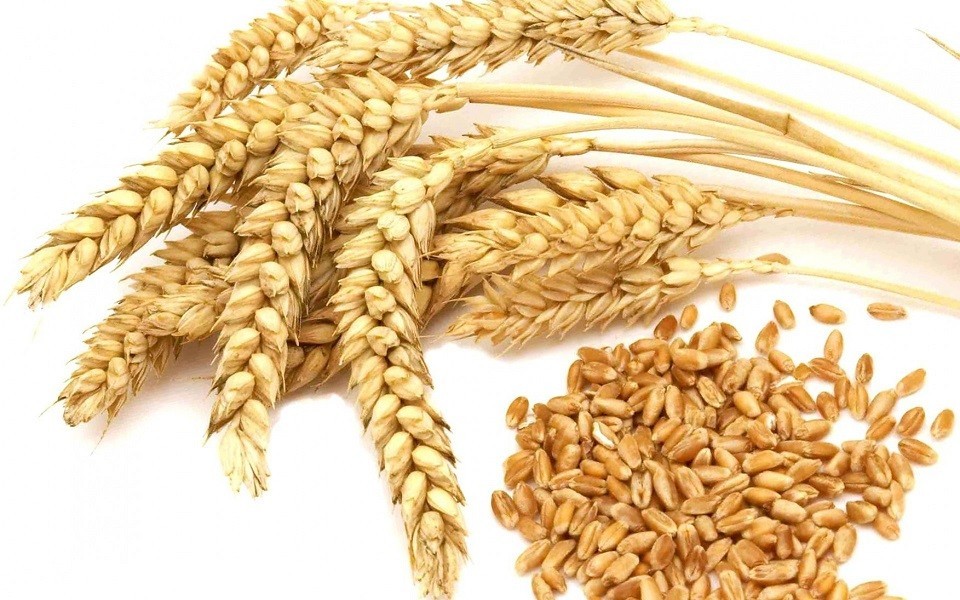
Nigerian-American agricultural trade, mainly driven by wheat imports, is on track to exceed US$700 million by the fall of 2025, according to officials of the United States Mission in Nigeria.
The outlook was announced during the recent visit to Apapa Port by the US Consul General in Lagos, Rick Swart, and the US Agricultural Counsellor, Chris Bielecki.
The delegation’s visit was to witness the unloading of 50,000 metric tonnes of US-grown wheat valued at about US$15 million, purchased by Flour Mills of Nigeria (FMN), one of the country’s largest food and agro-processing companies and a major importer of American wheat.
Nigeria is currently the third-largest export market for US wheat, reflecting the country’s reliance on imports to meet demand for flour, bread, pasta, and other wheat-based foods.
According to the official, the US agricultural trade with Nigeria continues to support American farmers while enabling Nigerian manufacturers to sustain jobs across milling, baking and food processing. The trade also ensures a consistent supply of quality grain and inputs for Nigerian consumers.
The latest shipment arrives as Nigeria contends with elevated food inflation, currency pressures and higher import costs.
Wheat remains one of the country’s most critical food imports, as domestic output covers only a small share of national needs. Nigeria consumes several million tonnes of wheat annually, the bulk of which is processed by industrial millers into flour and pasta products.
FMN, the buyer of the cargo, plays a central role in Nigeria’s food value chain, supplying flour, semolina and pasta to households, bakeries and institutional customers nationwide.
While the company has invested in backward integration initiatives, including sugar estates and cassava processing, wheat imports remain core to its operations due to structural constraints on local production.
According to the US Mission, the expanding trade volume reflects stronger commercial ties at a time when global food supply chains remain exposed to geopolitical tensions, climate volatility and disruptions linked to the Russia–Ukraine war, which has reshaped grain flows since 2022.
In response, Nigeria and other African countries have diversified sourcing away from the Black Sea region, increasing purchases from the United States and other exporters.
Nigerian authorities have stepped up engagement with international partners to stabilise food imports while working to lift domestic output.
The Federal Government continues to promote wheat under the National Agricultural Growth Scheme, with a focus on irrigation farming and improved seed varieties.
However, analysts say local production still falls well short of industrial demand, leaving millers dependent on imports in the near to medium term.
Trade specialists point out that the projected US$700 million agricultural trade figure for 2025 marks a notable increase compared with levels recorded just a few years ago. Growth has been driven mainly by wheat, alongside soybeans, poultry inputs and animal feed components. Beyond wheat, US exports to Nigeria also include dairy products, poultry, food preparations, and beverages, while Nigeria ships smaller volumes of cocoa, sesame, and processed foods to the US market.
The development comes as Nigeria seeks to stabilise the naira and attract foreign investment into agriculture and manufacturing.
Meanwhile, Apapa Port, the country’s busiest seaport, has recorded higher agricultural cargo throughput in recent months as importers move to secure supplies ahead of year-end demand, reinforcing the port’s role in Nigeria’s grain and food import logistics.




Got additional questions?
We will be happy to assist!
Write to us
Our manager will contact you soon