

US and Taiwan sign trade deal that includes tariff reductions
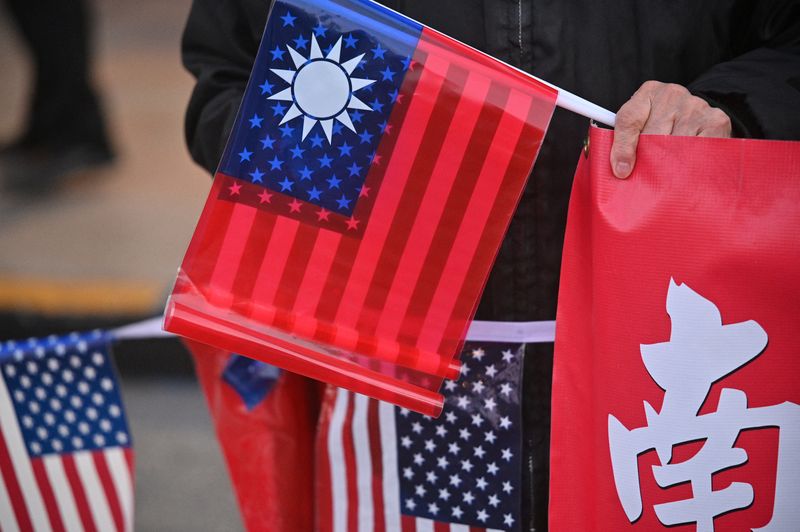
The United States and Taiwan have signed a trade deal that will cut tariffs, expand access for American goods to the Asian market and funnel billions of dollars into energy and technology projects in the United States, Bloomberg reported.
Under the terms of the deal, Taiwan will buy more than $44 billion in U.S. liquefied natural gas and crude oil and further open its market to American goods, including meat and dairy products, wheat, medical supplies and cars.
Taipei also pledged to buy about $15 billion in U.S. civilian aircraft and components and invest about $25 billion in power generation equipment by 2029.
The signing formalizes an agreement announced in January that would cut tariffs on goods from the self-governing island from 20% to 15%. Exceptions are made for generic drugs, microchips and smartphones, which the Trump administration is investigating with the possibility of future tariffs.
The average tariff rate on Taiwanese goods exported to the United States will be reduced to about 12.3% from 35.8%, which was in effect after the reciprocal tariffs were imposed last April. The share of exports to the United States subject to reciprocal tariffs will be reduced from 24% to 15.5%. The remaining goods subject to U.S. inspections will continue to receive most-favored-nation treatment.
Taiwan will also allow imports of ground beef and certain by-products and will align its regulations on maximum residue levels of ractopamine in beef and pork with international standards.
At the same time, there is uncertainty about Taiwan’s promise to finance investments in microchip production in the United States – the document does not contain detailed explanations of how these funds will be used.
Taiwan previously announced its intention to invest $ 250 billion in expanding advanced semiconductor, energy and artificial intelligence production in the United States, as well as to provide another $ 250 billion in government guarantees to support the American chip supply chain. In return, Taiwanese companies will be allowed to supply a certain amount of microchips to the United States duty-free during the period of expansion of American production capacity. Taiwan is promised “preferential treatment” with respect to possible future tariffs on chips.
The United States, for its part, has announced its intention to expand investments in key sectors of Taiwan, including semiconductors, artificial intelligence, defense and biotechnology.
The agreement now needs to be approved by Taiwan’s legislature. The opposition Kuomintang party, which holds a majority with allies, has criticized the talks for a lack of transparency and raised concerns about the impact on local pork producers and food safety issues.
Read also
Ukraine 2026–2030: Global Drivers and Local Transformation
US corn planting seen down, soybean acres up as Iran war drives up costs
Following crude oil: Agriculture may be the next victim of the global shock
Tunisia’s olive oil exports rise in volume but revenues fall on lower prices
China launches investigation into US trade practices




Got additional questions?
We will be happy to assist!
Write to us
Our manager will contact you soon