

Ukraine. Soybean and rapeseed amendments will not set a precedent for other crops
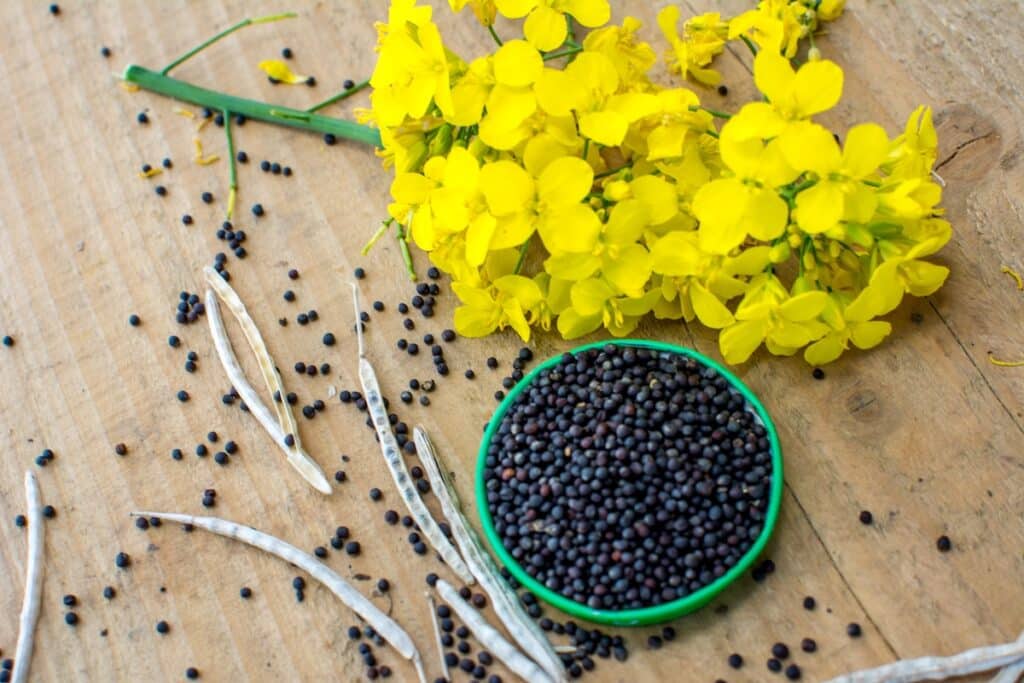
The soybean and rapeseed changes in tax regulation will not be extended to other agricultural crops. Their introduction had a clear economic objective — to stimulate domestic processing rather than to increase budget revenues or alter cropping patterns through administrative measures.
This was stated by Oleksii Sobolev in an interview with Latifundist.com, commenting on the impact of the so-called soybean and rapeseed amendments and the prospects for their further application.
According to him, the key prerequisite for the changes was the existence of significant but underutilized processing capacities in Ukraine. For this reason, the state focused on creating a more predictable supply of raw materials for domestic oilseed processing.
“We introduced the duty not to collect more money for the budget, but to increase processing. From the perspective of stimulating processing, the effect is there — and it is measurable. Capacity utilization has increased, and oilseed processing is currently at its highest level in recent years,” the minister noted.
A separate issue, Sobolev said, concerns the administration of the regulation. After the legislative amendments were adopted, the government approved secondary regulations defining the procedure for confirming eligibility for duty exemption and verification mechanisms. In 2026, the focus will be on a unified approach for all market participants, minimizing transaction barriers for bona fide producers and preventing abuses.
The mechanism предусматриes registration of producers in the State Agrarian Register (SAR), declaration of intent to export, and submission of data on sown areas and own harvest volumes. These data are used to confirm eligibility for the exemption, which customs authorities apply directly during export clearance. At the same time, information is cross-checked between customs, the Chamber of Commerce and Industry, and the SAR.
Commenting on the risks of a potential reduction in soybean and rapeseed planting areas, Sobolev stressed that they are limited. Cropping patterns are influenced by prices, crop rotation, agronomy, logistics and demand, not solely by regulatory instruments. Even if adjustments occur, they are expected to be moderate.
At the same time, the minister emphasized that the state does not plan to stimulate soybean and rapeseed cultivation in order to increase duty revenues or to extend a similar approach to other crops.
“Duty revenues cannot be an end in themselves. As for additional incentives specifically for soybeans and rapeseed, there is currently no such need. Production is growing even without special programs,” he concluded.
Read also
MERCOSUR Agri Markets: The Forces Reshaping Global Supply
Ukraine Adjusts to Costly Spring Campaign and Builds a New Farming Model
Alternative to the Strait of Hormuz: Saudi Arabia will transport goods by rail
Moroccan grain importers face rising costs amid Middle East conflict
Sunflower oil demand in India may drop 10% amid supply disruptions




Got additional questions?
We will be happy to assist!
Write to us
Our manager will contact you soon