

Trump's famous negotiating style has sent crude oil prices crashing and led to sharp jumps in the stock market
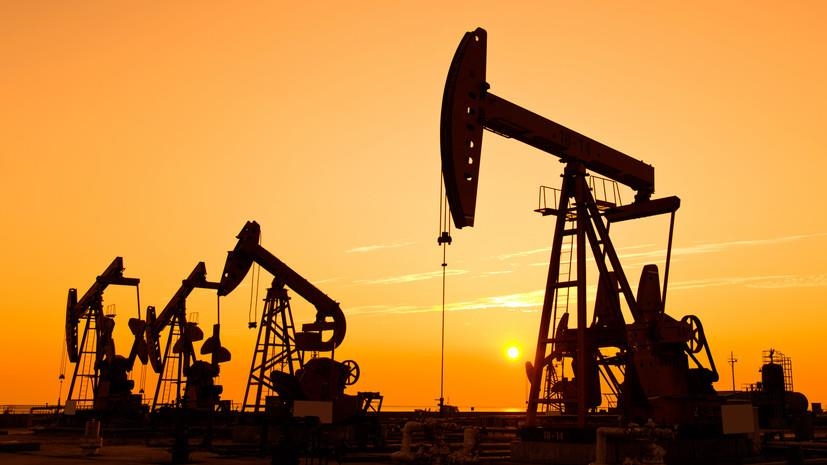
After 24 days of war between Israel and the US against Iran, an event long awaited by analysts occurred, which came as a surprise to the markets.
Trump on Saturday gave Iran an ultimatum: if the Strait of Hormuz is not opened by Monday evening, the US will attack Iranian power plants, plunging Iran into chaos. Iran responded by saying it would mine the “entire Persian Gulf” and attack all desalination systems in the region.
President Trump announced early Monday that he had postponed strikes on Iranian power plants for five days as talks to end the Iran war continued. The announcement reaffirmed Trump’s policy, which Wall Street traders call TACO (Trump Always Gives Back), and led to a sharp drop in oil prices and a surge in stock indexes.
May Brent crude futures rose 12% last week to $112/barrel, fell to $97/barrel during yesterday’s trading and later rose to $100/barrel (-12% per day) as Iranian officials said they were not negotiating with the US.
Today, oil prices continued to rise, indicating distrust in successful negotiations between the countries.
The US stock market was in a state of severe turbulence yesterday. At 7:04 AM EST, President Trump announced that “the US and Iran had productive talks” to end the war with Iran, after which at 7:10 AM the S&P 500 index rose 240 points, adding $2 TRILLION to market capitalization.
But just 27 minutes later, Iran completely denied all of President Trump’s statements and said there had been “no contact” with the United States, so by 8:00 a.m. Eastern Time, the S&P 500 index had fallen 120 points, losing $1 trillion in capitalization.
However, the departure of a plane from Tehran to Pakistan, which was allowed to fly over, confirms the fact that negotiations are taking place, so everyone is awaiting their results.
Oil prices will not be able to drop sharply, even if tanker passage through the Strait of Hormuz is unblocked, as the region’s oil and gas infrastructure has been severely damaged and production has been halted.
The International Energy Agency said on Monday that more than 40 energy facilities in nine Middle Eastern countries had suffered “serious or very serious” damage, while Qatar said Iranian strikes had damaged 17% of Ras Laffan’s export capacity (the world’s largest liquefied natural gas export facility) and would take three to five years to restore.
The war is also severely affecting the production of nitrogen fertilizers, which could dramatically increase the cost of growing agricultural crops this season.
Read also
Ukraine Loses the EU Market and Returns to Fierce Wheat Competition
EU and Australia agree on free trade agreement
Ukraine prepares for EU inspection to open pork market
Greek government will provide farmers with subsidies to offset the costs of diesel...
EU livestock sector shrinks but becomes more efficient and specialized




Got additional questions?
We will be happy to assist!
Write to us
Our manager will contact you soon