

Trump announces $12 bln support package for farmers impacted by trade war
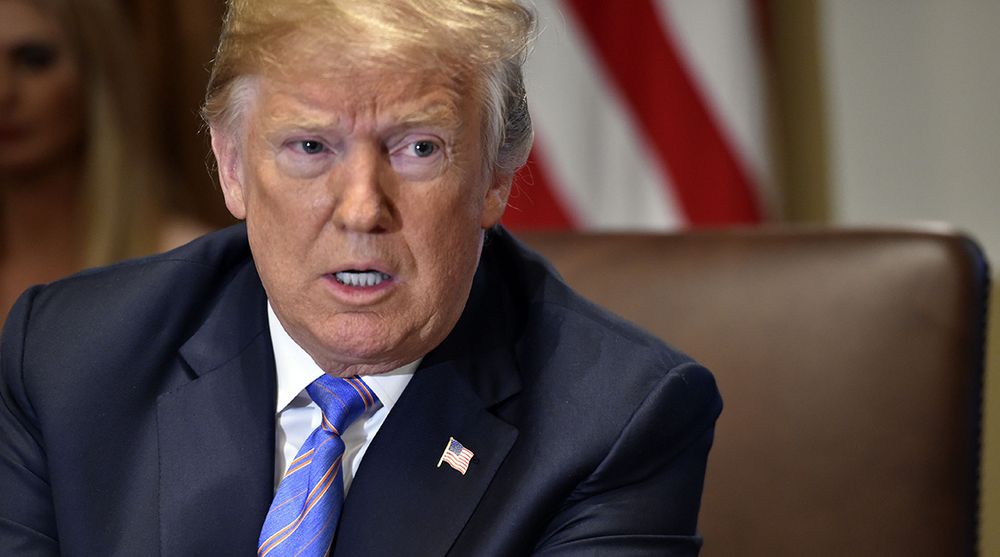
U.S. President Donald Trump has unveiled a $12 billion aid package aimed at supporting American farmers who continue to bear the financial consequences of the prolonged trade conflict with China. The initiative marks one of the largest recent efforts by Washington to stabilize the agricultural sector — a key political base for Trump — amid rising production costs and falling export revenues.
According to the administration, the bulk of the funds — $11 billion — will be directed to producers of major row crops, including corn, soybeans, sorghum and cotton. These payments are expected to help farmers prepare for the next planting season, covering rising expenses related to seeds, fertilizers and other essential inputs. Another $1 billion is being reserved for growers of fruits, vegetables and specialty crops, with details of the program still being finalized.
Announcing the package at a White House roundtable, Trump said the aid will be financed through tariff revenues and described it as a vital measure to ensure stability in the farming sector. He emphasized that the support will help farmers bring their current harvest to market and plan confidently for the year ahead.
Agriculture Secretary Brooke Rollins confirmed that payments for row crop producers will be distributed by February 28. Treasury Secretary Scott Bessent added that the program is designed as a “liquidity bridge” to help farmers navigate the transition period until they benefit from new trade agreements and policy changes.
Despite the support, critics argue that Trump’s trade policies remain a source of instability for the agricultural sector. Senator Amy Klobuchar, the top Democrat on the Senate Agriculture Committee, noted that the simplest way to give farmers long-term certainty would be to end tariff-related pressures. Farm groups have also highlighted concerns over rising input costs, with soybean producers expecting a third consecutive year of financial losses in 2025.
Trump also addressed high machinery prices, blaming inflated costs on what he called excessive environmental regulations. He pledged to remove several regulatory requirements for farm equipment, expecting manufacturers such as John Deere to lower prices in response.
As the election season approaches, the administration is signaling further support for farmers, including pressure on China to expand soybean purchases beyond recently agreed levels. However, analysts warn that U.S. farm incomes may decline sharply in 2026 due to reduced government payments and persistently low crop prices, according to projections from the Food and Agricultural Policy Research Institute at the University of Missouri.
Read also
Improved yields swell Canada’s 2025-26 wheat crop
Rapeseed prices rise due to oil factor and risks of protracted conflict
US lifts sanctions on Russian ship transporting stolen Ukrainian grain
Feed prices in China have surged sharply due to the conflict in the Middle East
Romanian Farmers Accelerate Sunflower Seeding Under Market and Weather Pressure




Got additional questions?
We will be happy to assist!
Write to us
Our manager will contact you soon