

Syria’s new banknotes celebrate the country’s agriculture
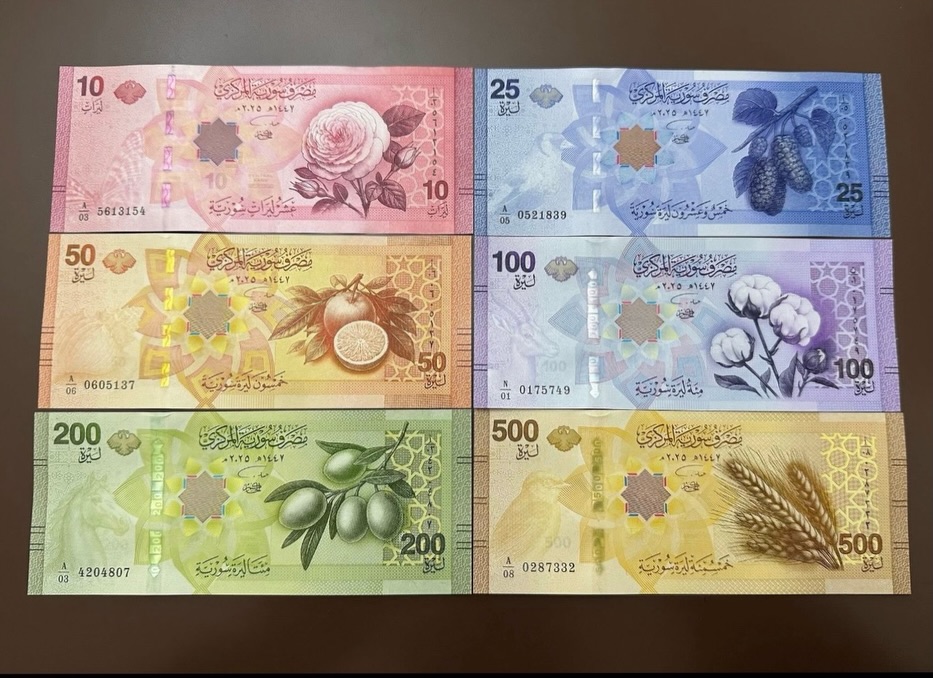
At the beginning of 2026, Syria issued new banknotes featuring images of the country’s agricultural heritage. The symbols on the new currency combine national identity with modern visual design. According to officials, the motifs reflect the historical diversity of Syrian crops and tell the story of the land and its people. The symbols were chosen not only for their aesthetic appeal but also for colors that correspond to the nature of each crop.
The new banknotes depict a variety of plants and animals characteristic of Syria. Agricultural experts note that this reflects a growing recognition of farming’s role in ensuring food security and supporting the national economy.
Wheat holds a prominent place, appearing on the largest denomination. Agricultural engineer Nibal Khazal explained that wheat is a strategic crop essential for the country’s food security and a staple of the Syrian diet. The depiction of cotton highlights its role in the textile industry and in creating jobs for farmers and workers nationwide.
The Damascene rose stands out on the banknotes due to its special significance. This particular rose is the only variety used to produce essential oil, which is utilized in oriental sweets and perfumery. Because of its unique fragrance and properties, the Damascene rose is cultivated worldwide, including in Bulgaria. It is not only an economically important crop but also deeply rooted in Syria’s cultural heritage, listed by UNESCO as intangible cultural heritage, and has become a symbol of national identity.
Mulberry is highly valued for its taste and yield, remaining an important crop in the Damascus and Quneitra regions. Olive trees symbolize peace, life, and connection to the land, while citrus crops represent farmers’ resilience and support for local industries, particularly in coastal areas.
The new banknotes also feature animals symbolizing the importance of livestock and the need to preserve biodiversity. These include butterflies, gazelles, Arabian horses, swallows, and sparrows. Butterflies represent the growth of pastures and crops, while gazelles contribute to plant diversity and ecological health in regions such as al-Jazira and the Palmyra Desert. Swallows help control harmful insects, and sparrows disperse seeds, supporting agricultural productivity. Arabian horses hold significant economic and cultural value, especially in Aleppo, Hama, and Homs, regions known for their equestrian traditions, while also symbolizing Arab heritage and authenticity.
Agriculture Minister Amjad Badr noted that the chosen symbols reflect the richness and economic significance of Syrian agriculture, as well as the people’s deep connection to the land. He emphasized that the new banknotes avoid portraits or personal symbols, instead featuring motifs that highlight equality and collective service for the country.
Read also
Black Sea & Danube: Crop and Export Forecast
Ukraine to expand sunflower and rapeseed area while soybeans decline — FAS USDA
Wheat faces biggest weekly drop in eight months on higher inventories
Cargill’s head of world trading departs firm after three decades
Indonesia deploys African weevils to boost palm oil output




Got additional questions?
We will be happy to assist!
Write to us
Our manager will contact you soon