

Surging fertilizer prices threaten global food security
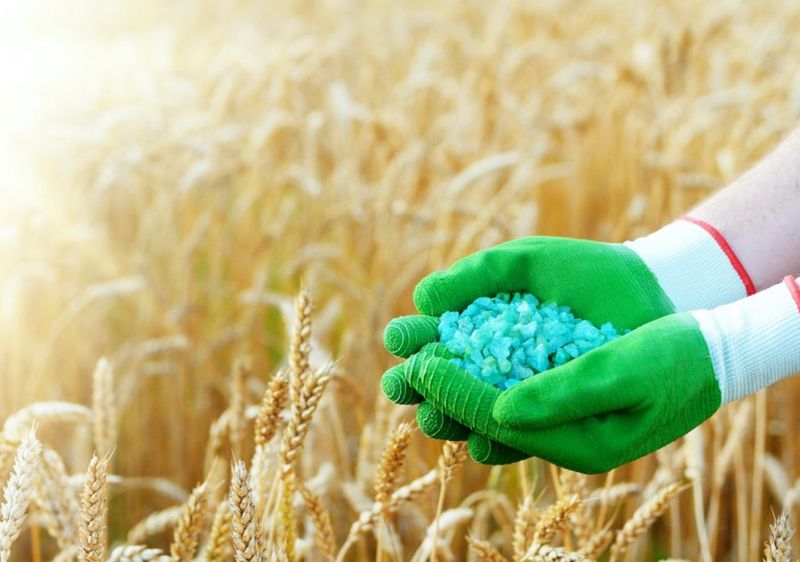
Global prices for nitrogen fertilizers have surged after shipping through the Strait of Hormuz — a key route for roughly one-third of global fertilizer trade — was disrupted. Analysts warn that supply constraints from the Persian Gulf region could significantly affect fertilizer availability and ultimately global food production.
According to traders, the price of urea jumped to $584.50 per tonne on March 9, compared with a pre-war baseline of about $470 per tonne. Over the past eleven days, prices have risen roughly from $452–470 to $584.50 per tonne, representing an increase of nearly 29%. Compared with last year, prices are up by around 52%.
In the United States, barge prices for urea in the New Orleans market climbed to $520–550 per tonne, up from a previous range of $470–500 per tonne. At the same time, prices for diammonium phosphate (DAP) rose from around $625 to $645-660 per tonne within a week, reflecting rapidly tightening conditions in the global phosphate fertilizer market.
The market is reacting to supply disruptions from the Middle East, one of the world’s key nitrogen fertilizer production hubs. Several major international insurers have suspended marine risk coverage in the region, complicating the transportation of not only oil but also fertilizers. Iran accounts for roughly 10–12% of global urea exports, and a significant portion of those shipments is now at risk. In addition, one of the world’s largest nitrogen complexes in Ras Laffan declared force majeure after halting production in early March.
Higher fertilizer prices can quickly translate into rising food costs. According to the World Bank, every 1% increase in fertilizer prices can push global food prices up by about 0.45%. The FAO Food Price Index reached 125.3 points in February, rising from 124.2 to 125.3, and analysts expect further increases if fertilizer supply disruptions persist.




Got additional questions?
We will be happy to assist!
Write to us
Our manager will contact you soon