

Strait of Hormuz remains blocked: US-Iran truce in doubt, crude oil prices rise
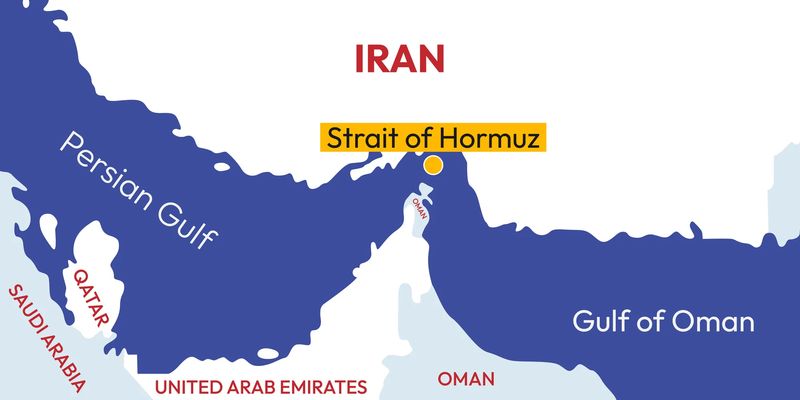
Despite the announced ceasefire between the United States and Iran, the situation around the Strait of Hormuz remains tense, with key details of the agreement still unclear. According to Bloomberg, the deal was expected to include reopening the vital shipping corridor, but in practice maritime traffic remains heavily constrained.
US President Donald Trump заявил about a “complete, immediate and safe reopening” of the strait. However, Tehran has taken a different stance, insisting that its military will continue to control vessel movements and that ships must obtain prior authorization to transit.
In reality, dozens of tankers continue to accumulate near the entrance to the strait. Among them are Chinese oil carriers Cospearl Lake and He Rong Hai, which approached Hormuz but were forced to halt while awaiting clarity on safe passage conditions.
They are joined by vessels from other countries, including India and Saudi Arabia, forming a growing queue to exit the Persian Gulf. Shipowners emphasize that without clear security guarantees, a full resumption of transit remains unlikely.
Additional tensions are fueled by ongoing military activity in the region. Israeli strikes on Lebanon have raised further doubts about the durability of the ceasefire and the prospects for broader de-escalation between Washington and Tehran.
Against this backdrop, global crude oil markets are reacting with renewed price increases. After a sharp decline — the largest since the April 2020 crude oil market crash — prices have rebounded. Brent crude futures rose nearly 2% to around $97 per barrel.
Analysts note that the market remains highly sensitive to geopolitical risks. The lack of clarity over how the US–Iran agreement will be implemented, combined with ongoing security threats and logistical disruptions, suggests that the Strait of Hormuz is unlikely to return to normal operations in the near term.
Read also
Black Sea & Danube: Crop and Export Forecast
Ukraine to expand sunflower and rapeseed area while soybeans decline — FAS USDA
Wheat faces biggest weekly drop in eight months on higher inventories
Cargill’s head of world trading departs firm after three decades
Indonesia deploys African weevils to boost palm oil output




Got additional questions?
We will be happy to assist!
Write to us
Our manager will contact you soon