

Soybeans in focus at US-China trade meeting
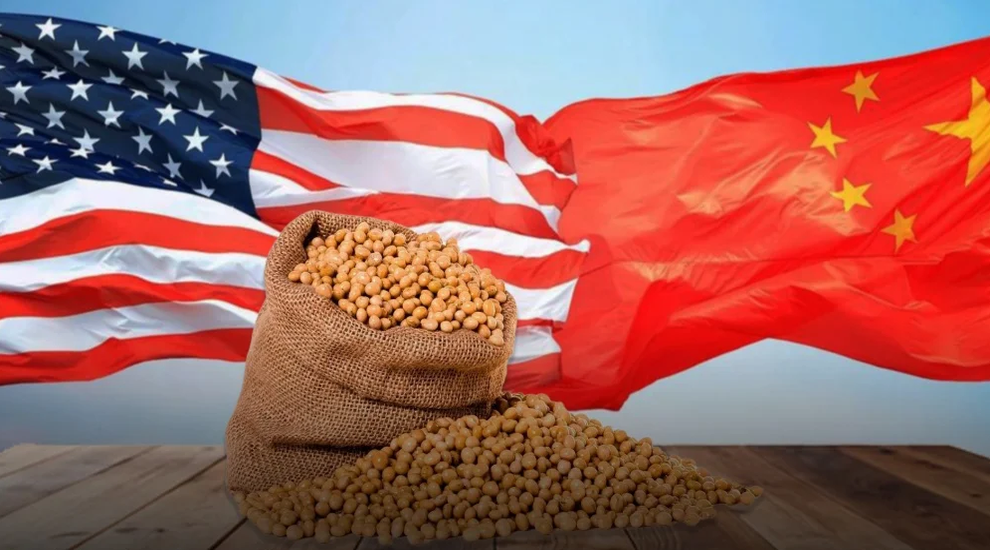
Soybeans are likely to be a key topic of discussion at the next meeting between U.S. and Chinese trade representatives, which could shed light on when Beijing will resume active purchases, Bloomberg reported.
U.S. Treasury Secretary Scott Bessant, Trade Representative Jamieson Greer and Chinese Vice Premier He Lifen are scheduled to meet in Paris this weekend. The talks come ahead of a summit in Beijing between Presidents Donald Trump and Xi Jinping later this month.
Soybeans are a key element of the U.S.-China trade relationship. They demonstrate the interdependence between Chinese livestock producers, who need feed imports, and American farmers, who rely heavily on exports of the crop.
“The market consensus is that the meeting between the leaders of the two countries will certainly create incentives for new purchases,” said Meng Zhanyu, an analyst at Wuchan Zhongda Futures.
After months of trade war, Chinese purchases of American soybeans effectively stopped in 2025. However, in October, Beijing quickly fulfilled an agreement to purchase 12 million tons of American beans. After that, purchases slowed down again, and it is not yet clear when they will resume. The situation is also complicated by the war in Iran, which has increased geopolitical tensions.
The trade truce between Washington and Beijing provides for the import of 25 million tons of soybeans each year for three years, starting in 2026. After purchasing the first 12 million tons, traders expected that Chinese buyers would pause until the new crop in the United States appears in September, when prices are usually lower.
However, Donald Trump wrote on the social network Truth Social in February that China is allegedly considering increasing purchases to 20 million tons already this season.
China has not commented on the agreements, so the future course of events remains uncertain. In addition, other factors could complicate the negotiations, including a US Supreme Court ruling that limits the president’s authority to impose tariffs, as well as the conflict in the Middle East.
“The market seems to be lowering expectations for a major trade breakthrough. The conflict in the Middle East has added new uncertainty and diverted attention from China,” said No Bull Ag analyst Susan Stroud.
There are also commercial factors. Harvesting is currently underway in the Southern Hemisphere, and China has been actively diversifying its supplies in recent years, including through Brazilian soybeans.
Since October, US beans have been purchased mainly by state-owned Chinese importers — more for political reasons than economic ones. Private processors are more price-sensitive and currently prefer Brazilian soybeans, which are cheaper and more accessible. American soybeans remain in limited supply and are subject to a 13% tariff.
At the same time, political agreements may once again prevail over economics, and new soybean purchases could become a kind of goodwill gesture ahead of the Trump-Xi meeting.
“We have not seen so-called ‘goodwill gestures’ in the form of soybean purchases from China for 10 days in March — although this has happened before during the negotiations,” Stroud added.




Got additional questions?
We will be happy to assist!
Write to us
Our manager will contact you soon