

Soy industry awaits final decision on EUDR
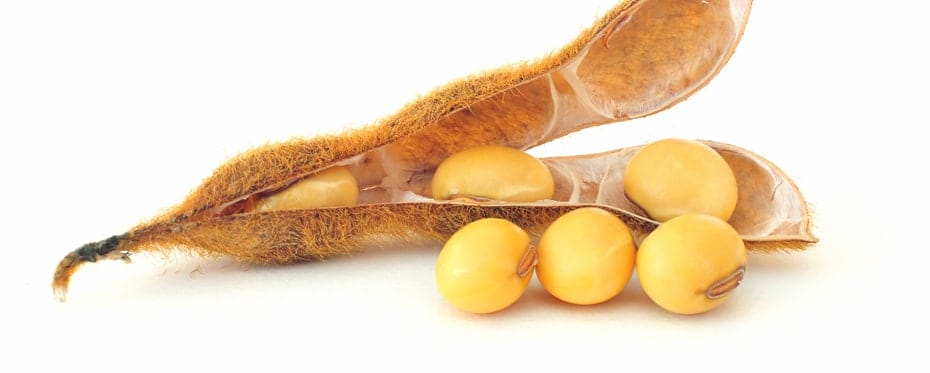
Volodymyr Pugachov, Executive Director of the “Danube Soya” Association, stated in his column for AgroTimes that the introduction of the EU Regulation on preventing deforestation and forest degradation (EUDR) No. 1115, adopted back in 2023, remains one of the most pressing issues for the soybean and soy processing market.
According to Pugachov, in theory, 2025 could have marked the first full year of exports under the new rules. However, the EU postponed the Regulation’s enforcement by 12 months, and it has since become clear that the bloc is not ready to implement the new requirements. As a result, EU member states have spent most of 2025 searching for ways to minimize regulatory risks.
A telling example is Poland — one of Europe’s largest soybean importers — which has still not designated a competent authority to verify EUDR compliance. Pugachov notes that this is a clear indicator of the broader unpreparedness across the EU.
He explains that all EU decisions must be approved by three institutions: the European Commission, the Council of the EU, and the European Parliament. In mid-October, the Commission exercised its right to initiate changes, proposing a further 12-month delay to EUDR implementation along with simplified rules for 2026. The Council adopted its position on November 19, and the European Parliament supported the delay on November 26. However, the final wording still requires negotiation during a Trialogue. With the last plenary session scheduled for mid-December, there is little time left to reach a consolidated position. If the Parliament fails to vote on the amendments in time, the Regulation will automatically enter into force on December 30, 2025.
The European Union consumes 35–40 million tonnes of soybeans annually but produces only about 3 million tonnes domestically. Most supplies come from Brazil, Argentina, the United States, Canada and Ukraine. Against this backdrop, Pugachov emphasizes that Ukrainian producers have spent two years preparing for EUDR and are now better equipped to comply with the requirements than many EU-based companies. Moreover, the European Commission has classified Ukraine — unlike Brazil and Argentina — as a “zero-risk” country for deforestation. This grants Ukraine a strong competitive advantage, especially given that 60–65% of Ukrainian soybeans and soy products, including oil and meal, are exported to the EU.
However, regulatory uncertainty continues to weigh on the market. Even if EU processors were to increase their soybean purchases now, any products processed after the new rules take effect would automatically fall under EUDR. As a result, the European soy industry is stuck in limbo, waiting for a final decision.
According to Pugachov, the likelihood of another postponement remains high. EU institutions are also discussing possible simplifications — including the option of allowing producers to provide only a postal address of the enterprise instead of geolocation data for every field plot.
Read also
MERCOSUR Agri Markets: The Forces Reshaping Global Supply
Ukraine Adjusts to Costly Spring Campaign and Builds a New Farming Model
Indonesia to increase wheat consumption and imports
Recent international tenders indicate wheat price stabilization
Crude oil prices surge after Trump announces continued attacks on Iran



Got additional questions?
We will be happy to assist!
Write to us
Our manager will contact you soon