

Sorghum areas grow in Poland, but weed control remains a challenge
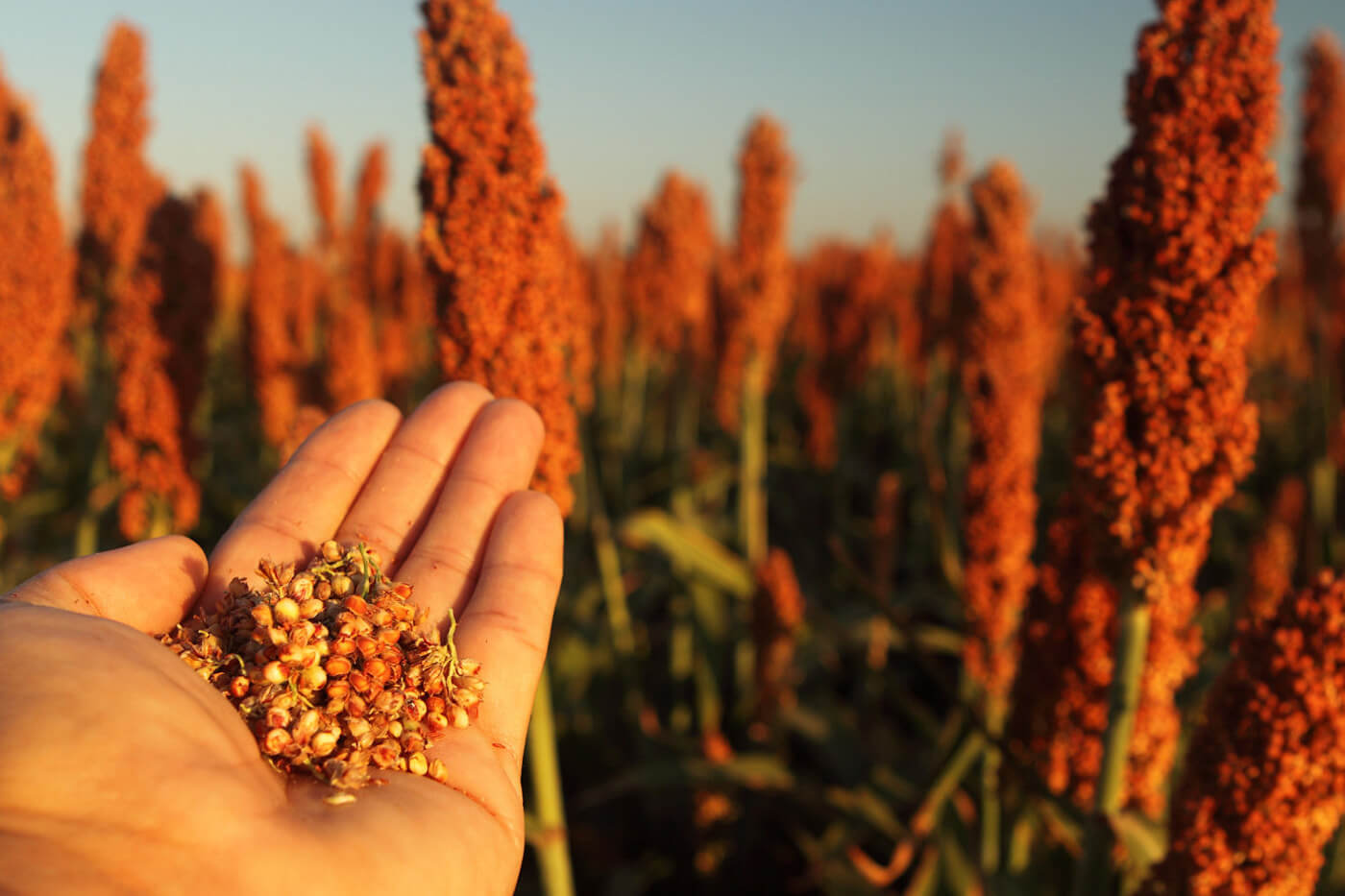
In recent years, sorghum has been gaining increasing importance on Polish fields, now covering nearly 12,500 hectares. This is more than, for example, the area sown with yellow lupine. However, after the ban on the herbicide S-metolachlor, weed control has become difficult, and the prospects for cultivation are raising some concerns. The situation was explained by Professor Tadeusz Michalski, President of the Polish Association of Maize and Sorghum Producers.
He noted that sorghum has been rapidly gaining popularity on Polish fields. Last season’s sowing area was 60 times higher than that of five years ago. Like maize, sorghum is grown for both silage and grain, with silage production prevailing, while grain cultivation remains limited.
The sorghum genus, which includes numerous warm-climate grasses, originates from the hot regions of Africa, India, and Mexico. The crop is highly tolerant to drought and high temperatures. It is a versatile plant suitable for feed, biogas production, and food purposes. The Polish Association of Maize Producers has been promoting gluten-free sorghum flour for several years. Farmers view sorghum not as a competitor to maize, but as an alternative in regions where maize cultivation conditions are unfavorable.
The first attempts to grow sorghum on a large scale in Poland were made about 20 years ago. Between 2004 and 2007, the crop began to expand, but enthusiasm was dampened by the selection of unsuitable varieties, which were too late-maturing for some regions. Today, suitable varieties are available, but challenges with weed control have emerged. According to the Ministry of Agriculture and Rural Development, approved herbicides for sorghum include pendimethalin, glyphosate, and dicamba, though post-emergence applications often prove less effective.
Professor Michalski emphasized that the previously banned S-metolachlor was widely used by producers. Currently, farmers must combine chemical and mechanical weed control while adhering strictly to recommended application stages. Delays or incorrect timing in herbicide application can suppress sorghum growth, delay the vegetative period by up to two weeks, and significantly reduce yields.
Read also
2026-2030 Economic Outlook: New Business Architecture
Geopolitics and Logistics Are Reshaping the Global Wheat Market
Indonesia’s palm oil production expected to see limited growth in 2026
Syria expands wheat and barley cultivation
Argentina has secured the resumption of chicken exports to the EU




Got additional questions?
We will be happy to assist!
Write to us
Our manager will contact you soon