

Russia unable to cover potential global fertilizer shortfall, partly due to Ukrainian strikes
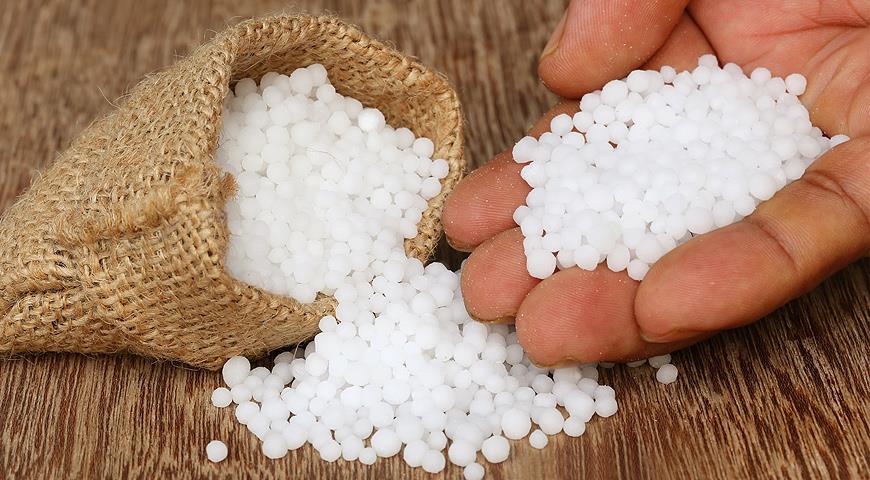
Fertilizer producers in Russia — the world’s largest exporter — are unlikely to compensate for a potential global shortfall caused by the US-Iran conflict, as their capacity to increase production is limited, industry sources told Reuters.
The war has halted fertilizer production facilities in the Middle East and significantly disrupted maritime shipments through the Strait of Hormuz, a route responsible for roughly a third of global fertilizer trade.
Russia accounts for about one-fifth of global fertilizer trade, but limited production capacity, domestic export restrictions, and recent Ukrainian strikes on major plants constrain the country’s ability to rapidly scale up output, the sources noted.
According to one source, new export-oriented facilities are not expected to start operations before at least 2027.
“Higher prices look attractive on paper, but Russian producers are constrained by obligations to supply the domestic market, especially ahead of the planting season. Moreover, any windfall profits are likely to attract government attention, which is seeking ways to boost budget revenues,” another industry source said.
A third source added that companies are currently focused on meeting domestic demand.
“In the short term, it may be possible to cover part of the demand left unfulfilled by the Middle East, but in the long term, these are too large volumes to replace completely,” the source said.
On 25 February, a Ukrainian drone attacked the Dorogobuzh plant, one of Russia’s largest fertilizer producers, owned by Acron. The strike temporarily took out about 5% of the country’s total production capacity and killed seven people.
The Dorogobuzh plant accounts for:
-
11% of ammonia nitrate production in Russia,
-
9% of NPK fertilizer production.
Russia imposed fertilizer export restrictions in 2021 to ensure sufficient domestic supply.
Industry lobby head Andrey Guryev, during a meeting with President Vladimir Putin in 2025, estimated the gap between lower domestic and higher export prices at about 15%. He also stated that Russia aims to capture a quarter of the global fertilizer trade by 2030.
Russian fertilizer producers were not subjected to Western sanctions imposed due to the war in Ukraine, to avoid threatening global food security. However, they still face payment and logistical difficulties due to sanctions-related restrictions.
The largest buyers of Russian fertilizers are Brazil, India, and China, though some products are also exported to the United States.
Shares of two Russian fertilizer companies listed on the exchange — Acron and PhosAgro — rose by about 3% and 4% on the Moscow Exchange, respectively, after US and Israeli attacks on Iran began on 28 February.
T-Bank analysts noted that rising market prices are driven by several factors:
-
phosphate fertilizer shortages,
-
export restrictions from China,
-
sulfur production halt in Qatar,
-
tensions around the Strait of Hormuz.
“The phosphate fertilizer shortage, combined with these factors, is a powerful driver of price increases in the market,” the analysts said.
Read also
Black Sea Export Strategies Within the Pressure of the Global Food Market
Spring sowing in Ukraine this year starts later than average
Hormuz strait crisis could reopen door for Turkey’s “grain corridor” Role
Ukraine falls behind Russia and Romania in wheat exports to Egypt in February
European producers call for reduction of potato area



Got additional questions?
We will be happy to assist!
Write to us
Our manager will contact you soon