

Russia reduces wheat acreage
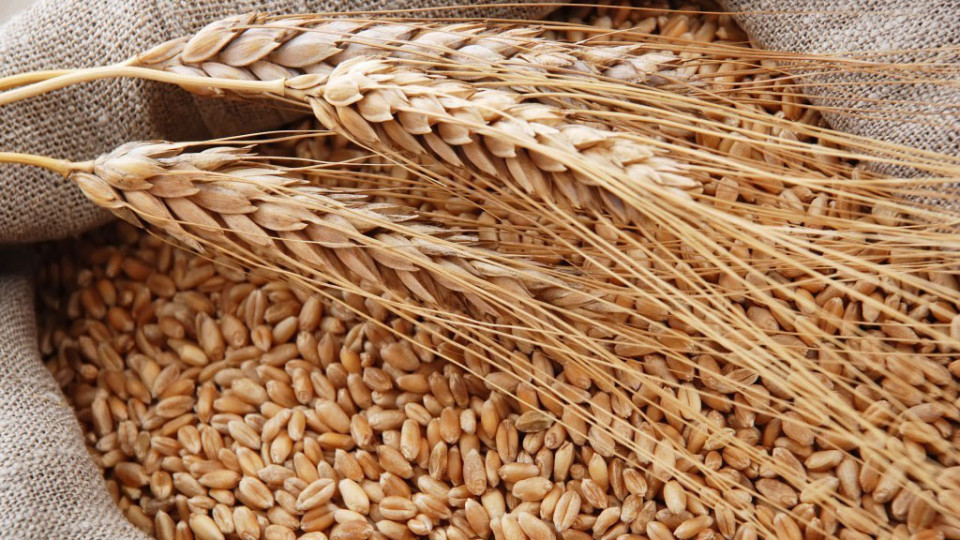
Russia is reducing wheat acreage for the 2026 harvest amid declining profitability and the impact of export duties. According to SovEcon, as of mid-December farmers had sown 16.1 million hectares of winter wheat, slightly below last year’s level and well under the peak of 17.8 million hectares recorded in 2021. Wheat acreage in Russia has been trending downward for several seasons as producers reassess planting decisions.
SovEcon also forecasts a further decline in spring wheat area in 2026 to 10.7 million hectares, down from 11.1 million hectares in 2025 and 12.3 million hectares in 2024. As a result, total wheat acreage in Russia could fall to 26.3 million hectares in 2026 from 26.9 million hectares a year earlier, reflecting continued pressure on farm margins following the introduction of export levies.
Grain producers’ profitability has deteriorated sharply in recent years. SovEcon estimates that pre-tax profits in the grain sector in January–September 2025 dropped to 69 billion rubles, compared with 93 billion rubles a year earlier and 181 billion rubles in 2021. The worsening financial situation has prompted farmers to cut back on wheat plantings and reconsider crop rotations.
At the same time, Russia’s competitors in the global wheat market are expanding acreage. Ukraine’s winter wheat area reached 4.7 million hectares by mid-December, the highest level in five years, while France increased winter wheat plantings to 4.8 million hectares, the largest area in three years. Against this backdrop, SovEcon projects Russia’s wheat output in 2026 to decline to 83.8 million tonnes, down from 88.8 million tonnes in the current season, due to both reduced acreage and lower average yields.
Read also
Middle East tensions push up cost of sugar production in Brazil
US forecasts record biofuel production
Condition of grain crops in France is much better than last year
Bangladesh stabilizes vegetable oil market through price controls and import policy
Latvia extends ban on purchasing Russian grain




Got additional questions?
We will be happy to assist!
Write to us
Our manager will contact you soon