

Rising fuel prices may trigger a new wave of food price increases
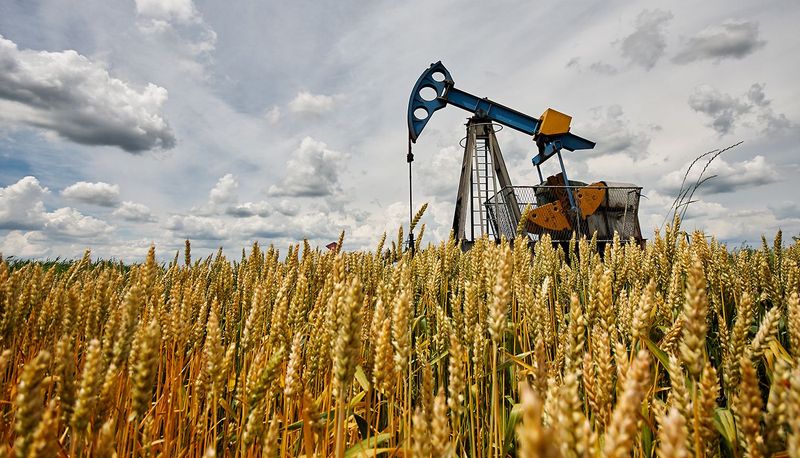
Global gasoline prices continue to climb, but market attention may soon shift to food prices, which have not yet fully reflected the surge in energy costs. This is highlighted by analyst Tavi Costa, who points to a strong historical relationship between energy and food markets.
According to Tavi Costa, food prices tend to follow fuel prices with a time lag. This suggests that the current rise in gasoline prices could later translate into higher food costs, potentially driving a new wave of inflation.
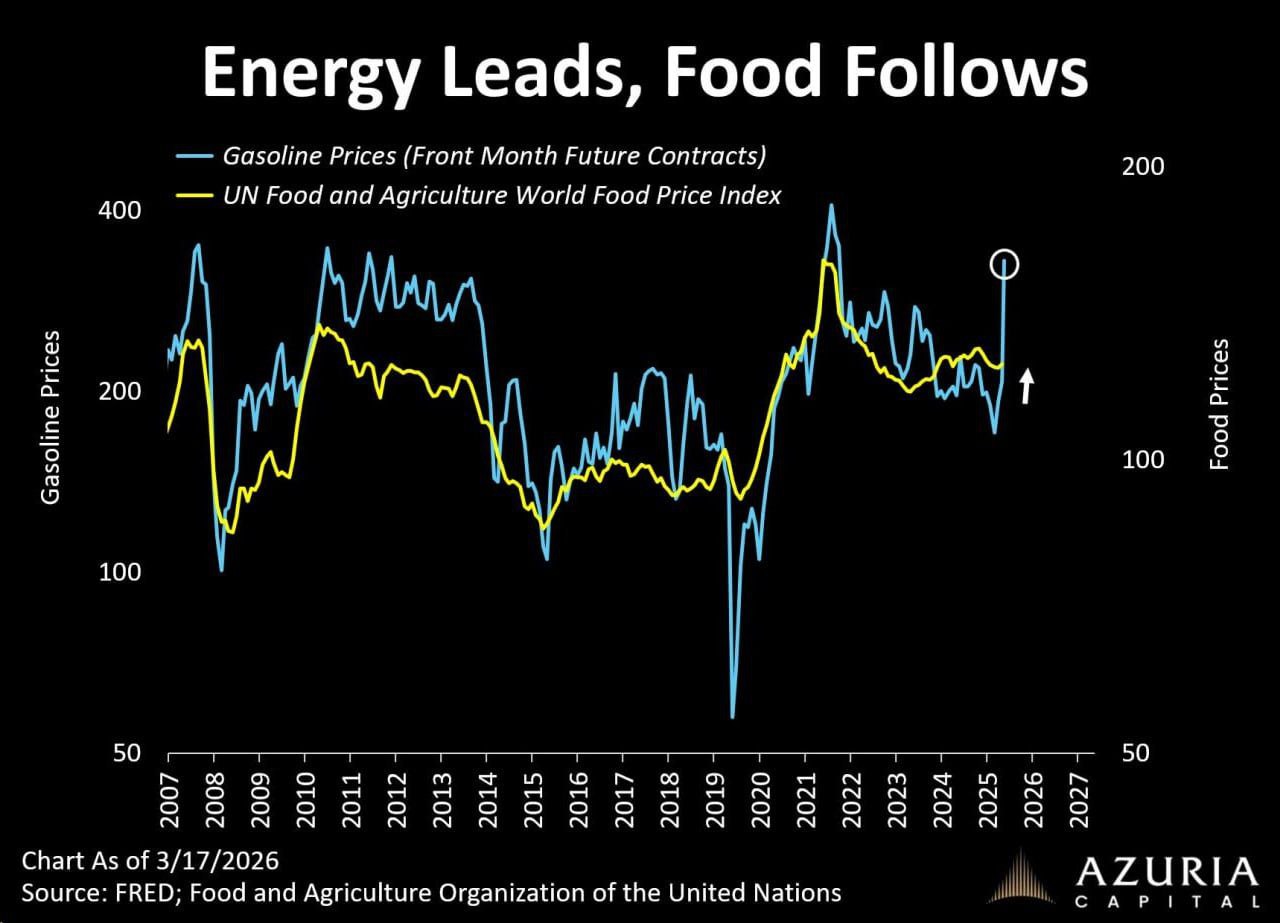
The analyst emphasizes that energy and food markets are closely interconnected. Fuel costs directly impact agricultural production, transportation, and processing, which ultimately feed into consumer prices.
Beyond economic effects, the social implications are also significant. As noted by Tavi Costa, sharp increases in food prices have historically been associated with protests, social unrest, and political instability.
Against the backdrop of already high global inequality, further increases in food prices could become a catalyst for broader tensions. At the same time, the analyst warns that this risk remains largely underestimated, even as resource prices stay elevated despite ongoing volatility.
Read also
Black Sea & Danube: Crop and Export Forecast
Oil Market Enters a Phase of High Risks and Unstable Margins
Oman launches wheat farming program to boost national food security
Zero duty on Hilton quota to boost MERCOSUR beef exports to the EU
Ukraine offers Syria wheat in exchange for phosphates




Got additional questions?
We will be happy to assist!
Write to us
Our manager will contact you soon