

Rising fertilizer prices put expansion of corn acreage in Ukraine at risk
Ukraine’s spring planting campaign has only just begun, and several months of weather uncertainty still lie ahead, meaning final outcomes may shift significantly. Analysts are therefore offering cautious early projections for the MY 2026/27, generally expecting a slightly higher harvest than last season, according to Fastmarkets.
Initial forecasts for wheat range between 22.3 million and 23.5 million tonnes, compared to nearly 23 million tonnes in 2025/26. However, the condition of winter crops remains unclear. Some analysts point to potential damage, keeping their estimates conservative at around 22.5 million tonnes, while others warn that production could fall below 22 million tonnes if winterkill proves more severe.
Fertilizers are emerging as an additional risk factor. Prices have surged amid geopolitical tensions involving Iran, the United States, and Israel, raising concerns that farmers may reduce application rates below optimal levels. This could negatively affect both yields and crop quality across key grains.
Barley production is expected to remain close to last year’s levels, with estimates ranging from 5.0 to 5.8 million tonnes, compared to 5.2 million tonnes in 2025/26. Last year, Ukraine harvested 2.38 million tonnes of winter barley and 2.87 million tonnes of spring barley. This season, planted areas are estimated at about 1.35 million hectares in total, slightly below last year’s 1.37 million hectares.
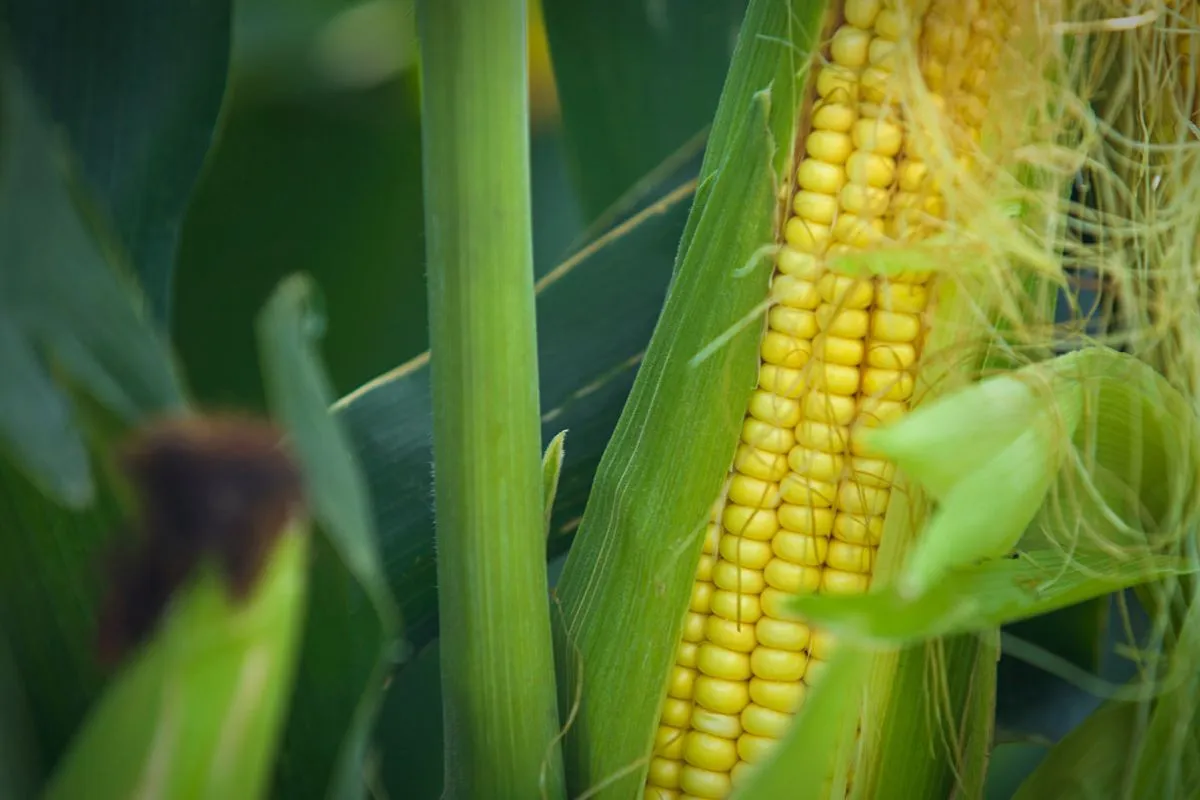
Corn, meanwhile, is expected to show a recovery, with most market participants projecting output at 32–34 million tonnes, up from 30.7 million tonnes in the previous season. However, corn is considered the most vulnerable crop to rising fertilizer costs. Analysts note that while fertilizers for winter crops are still relatively accessible, supplies for spring crops remain tighter, increasing risks for corn production.
Higher input costs may also influence farmers’ planting decisions. In the event of fertilizer shortages or further price increases, some producers—particularly smaller ones—could shift to oilseeds or spring barley instead of corn. Larger agricultural holdings are less exposed to this risk, as they typically secure inputs in advance.
Fertilizer application practices also play a role. While winter crops are mainly fertilized between February and April, corn fertilization occurs during sowing and can extend into June. Smaller farmers often purchase fertilizers just before application, making them more vulnerable to price spikes.
Despite these challenges, analysts do not expect a major shift away from corn toward oilseeds. Fields designated for corn are usually prepared in advance, and changing crops at a late stage could lead to inefficient use of already applied fertilizers or even harm subsequent crops, particularly soybeans.
Read also
Black Sea & Danube: Crop and Export Forecast
Ukraine to expand sunflower and rapeseed area while soybeans decline — FAS USDA
Wheat faces biggest weekly drop in eight months on higher inventories
Cargill’s head of world trading departs firm after three decades
Indonesia deploys African weevils to boost palm oil output




Got additional questions?
We will be happy to assist!
Write to us
Our manager will contact you soon