

Morocco adopts new decree to strengthen control of vegetable oils and fats
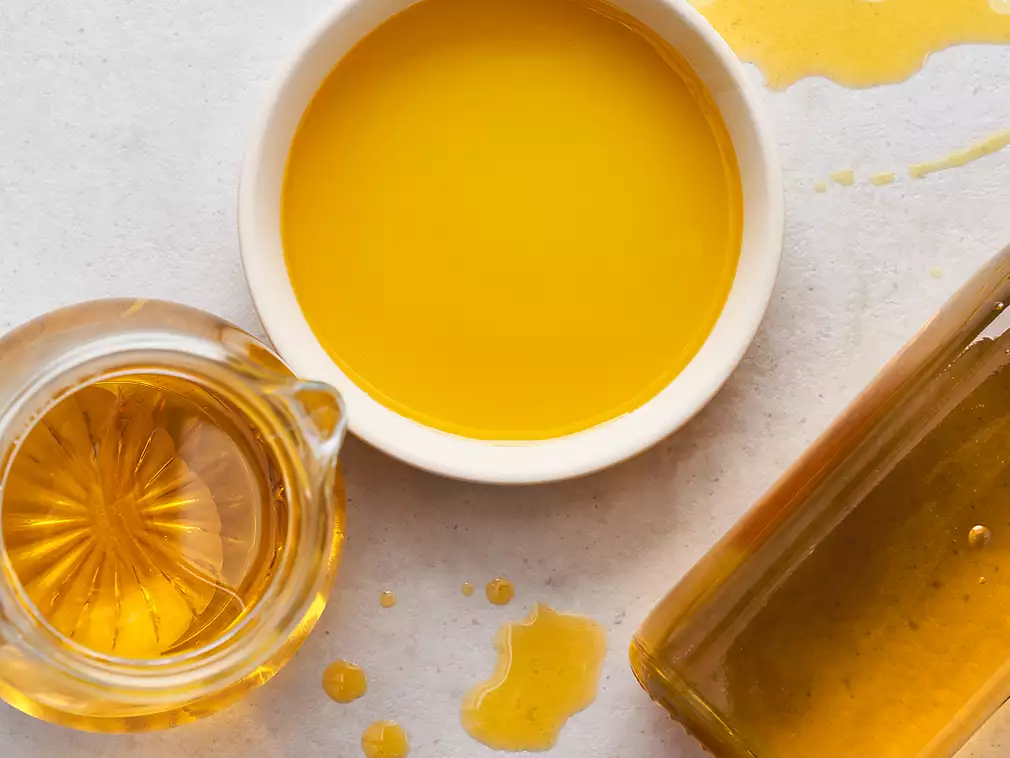
Morocco has approved a new government decree aimed at tightening oversight of the quality and safety of vegetable oils and fats intended for human consumption. The measure seeks to modernize outdated regulations, respond to the rapid development of the vegetable oil market, and address growing concerns about product quality, safety, and transparent consumer information.
The decree applies to all virgin and refined vegetable oils and fats produced from one or several seeds or fruits, whether sold individually or as blends. However, it excludes olive oil, olive-pomace oil, argan oil, and spreadable vegetable fats. According to officials, the update was necessary to streamline commercial practices, ensure consumer protection, improve labeling, and align national rules with international standards.
Prepared under Food Safety Law 28.07, the decree establishes a structured system governing all vegetable oils and fats intended for consumption. It provides clear definitions for product categories, including virgin and cold-pressed oils that undergo no chemical treatment, and refined oils that are processed chemically or physically to remove unwanted substances. It also sets definitions for blended oils and fats made by combining two or more types.
The decree also introduces strict naming and labeling requirements. Products must be marketed under names that accurately reflect their origin and extraction method. For example, “virgin oil” or “virgin fat” must be followed by the name of the fruit or seed it comes from, while “oil” or “fat” accompanied by a seed or fruit name is reserved exclusively for refined products. The term “vegetable oil” may only be used for blends of two or more edible vegetable oils, while “vegetable fat” refers to blends of fats or combinations of oils and fats.
In addition, the decree sets new obligations for producers, processors, distributors, and importers. All operators must obtain sanitary authorization and ensure full traceability throughout production. Imported oils must comply with Moroccan standards, and all products must be sold in sealed, food-safe containers that cannot be resealed. Labels must include additional information when necessary, such as “cold-pressed” or “suitable for frying.” The decree limits oil degradation during frying to 25% polar compounds, bans unauthorized additives, and enforces strict limits on contaminants and pesticide residues. It allows processes such as fractionation, hydrogenation, and interesterification in refined oils, but prohibits re-esterification due to its potential health risks.
Read also
Black Sea & Danube: Crop and Export Forecast
Rapid exports of Ukrainian flour to China unlikely despite market opening
Soybean harvest begins in Argentina
Ukraine, Syria and Turkey discuss logistical routes bypassing the Strait of Hormuz
Brazil ships first DDG batch to China, opening new feed market




Got additional questions?
We will be happy to assist!
Write to us
Our manager will contact you soon