

Impact of the Iran war is felt in every Indian household
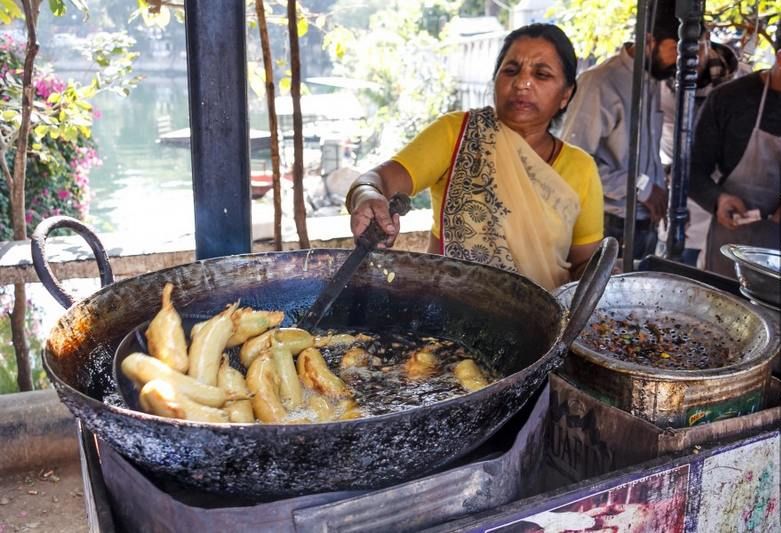
The war in Iran has not directly affected India, yet its consequences are already being felt in every household. The impact comes simultaneously across multiple fronts, and this combined pressure makes the situation especially difficult for ordinary citizens.
The most immediate and visible effect is a shortage of liquefied gas for cooking. Queues are forming at distribution points, while restaurants and hotels are considering temporary closures. The government assures that supplies will last for about a month, but public anxiety is rising. Gasoline prices in cities have already increased, raising transportation costs and affecting the price of delivered goods.
The second wave of impact will be felt through food prices. Rising oil costs and disruptions in fertilizer supplies are driving up agricultural production expenses at every stage — from field to store. Experts warn of long-term increases in food prices, with low-income families being particularly vulnerable, as food accounts for a major share of their expenses.
Currency pressures are affecting everyone dealing with imported goods or international payments. Analysts forecast the rupee weakening to above 95 per dollar if oil prices remain high, and in a worst-case scenario, to 97.50 or higher. Each depreciation of the national currency automatically increases import costs and intensifies inflation.
Financial markets have already responded: the Nifty 50 and BSE Sensex indices fell about 1.1% in a single session, marking one of the sharpest weekly declines in the past fifteen months. Sell-offs were broad-based, affecting 15 out of 16 major sector indices.
The human dimension is particularly stark for migrant workers. Tens of thousands of Indians planning to travel to Gulf countries are left in limbo due to flight cancellations and delays. Between March 1 and 7, 2026, more than 52,000 people returned home. Those who remained working in the region face growing uncertainty, with several oil and gas companies already suspending operations.
Economists note signs of stagflation — simultaneous inflation growth and economic slowdown. Analysts estimate that each additional $10 per barrel of oil increases India’s current account deficit by about 0.5% of GDP and reduces corporate profit growth by around 4%. If the conflict continues for more than six months, its effects on the country’s economy could be substantial and long-lasting.
Read also
Egypt will refuse to import grain from the occupied territories of Ukraine, — Zele...
MERCOSUR Agri Markets: The Forces Reshaping Global Supply
Corn prices in Ukraine are rising, but competition with Argentine grain is intensi...
Escalation of conflict around Iran could trigger rise in corn prices
Pig population in the EU has decreased slightly




Got additional questions?
We will be happy to assist!
Write to us
Our manager will contact you soon