

High stocks levels will limit palm oil prices
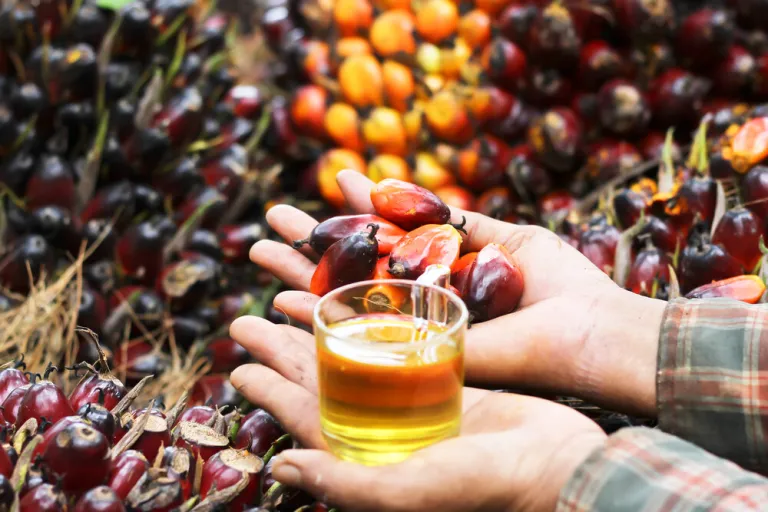
Crude palm oil price trends will depend on production levels in Malaysia and Indonesia, as well as demand in price-sensitive markets such as India and China. Overall, the tropical palm oil market is expected to have a busy year, according to leading industry analysts at the POC 2026 Price Forecasting Conference, The Star reports.
The main challenge for palm oil remains growing competition from other vegetable oils. As forum participants noted, record soybean harvests in Brazil and Argentina have led to a glut in the global market. Key buyers—China and India—are actively building up soybean reserves, replacing palm oil with them.
The start of soybean oil exports from China to India at aggressively low prices has also significantly changed the market. This is precisely what experts attribute to the decline in Indian palm oil imports in 2025.
The industry’s hope remains a renewed interest in palm oil if major soybean oil producers increase domestic consumption, for example through biodiesel programs. This is expected to narrow the price gap between competing oils.
According to industry representatives, the average price could remain around MYR 4,100 per tonne until April. Further pressure will increase due to seasonal production growth if demand from India fails to pick up and inventories continue to rise.
Analysts expect Indonesian production to decline in 2026 to approximately 49 million tonnes, down from 51 million tonnes last year. Malaysia is expected to produce 20.2 million tonnes.
Read also
Trump considers suspending Moroccan fertilizers duties amid corn grower pressure
14 new markets have opened for Ukrainian food since the beginning of the year
“Smart” animal collars will change US farming
BLACK SEA GRAIN. KYIV: Join with a SMART rate by March 31!
Romania Rapeseed Market Enters Phase of High Yield Potential and Price Adjustment




Got additional questions?
We will be happy to assist!
Write to us
Our manager will contact you soon