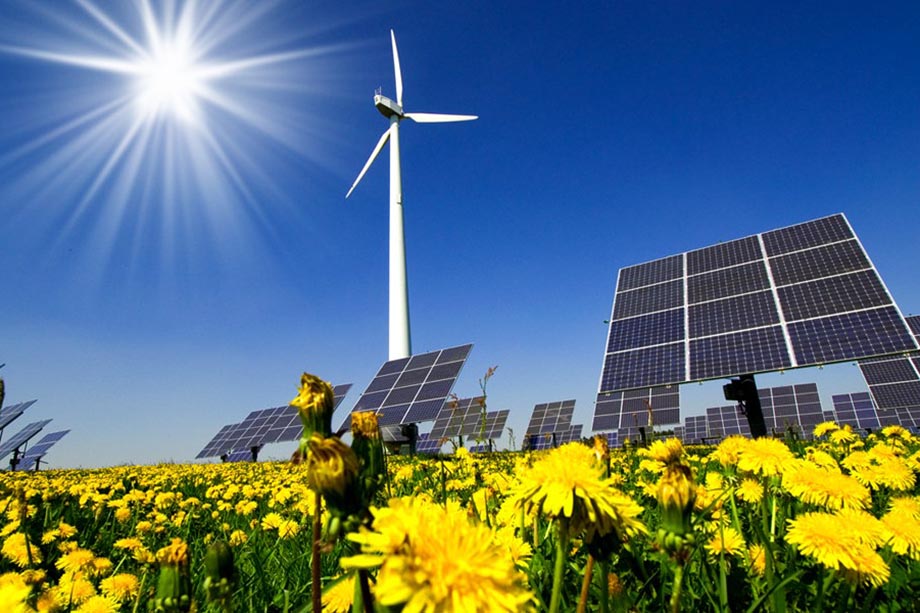
In 2025, renewable energy sources in the European Union surpassed fossil fuels in annual electricity generation for the first time. According to data from energy analytics company Ember, solar and wind power accounted for 30% of total EU electricity production, compared with 29% from fossil fuels. Although the margin is currently modest—around 1%—analysts consider this a pivotal moment for the region’s energy transition.
Beatrice Petrovich, the report’s author at Ember, highlighted that this milestone demonstrates how quickly the EU is moving toward an energy system based on clean sources. Dependence on fossil fuels increases global instability, she noted, making the shift to renewables an increasingly urgent priority.
The main driver of this growth was the rapid expansion of solar power. In 2025, solar electricity production rose by 20.1%, marking the fourth consecutive year of over 20% growth. Solar generation reached a record 13% of total EU electricity, surpassing coal and hydropower.
This growth occurred across all 27 EU countries. Solar energy accounted for more than 20% of electricity production in Hungary, Cyprus, Greece, Spain, and the Netherlands. Overall, renewables made up 48% of EU electricity production in 2025.
Weather conditions influenced the generation mix: hydropower fell by 12% and wind generation by 2%, while gas-fired electricity increased by 8% to partly compensate. Despite this, EU gas consumption in power generation remains 18% below its 2019 peak, although gas import costs rose to €32 billion.
Coal’s share in EU electricity production fell to a historic low of 9.2%. In 19 member states, coal generation is either negligible or below 5%. Analysts emphasize that the transition to renewables is now structural, and the EU’s next priority should be further reducing dependence on expensive imported gas and expanding energy storage systems to stabilize electricity prices.