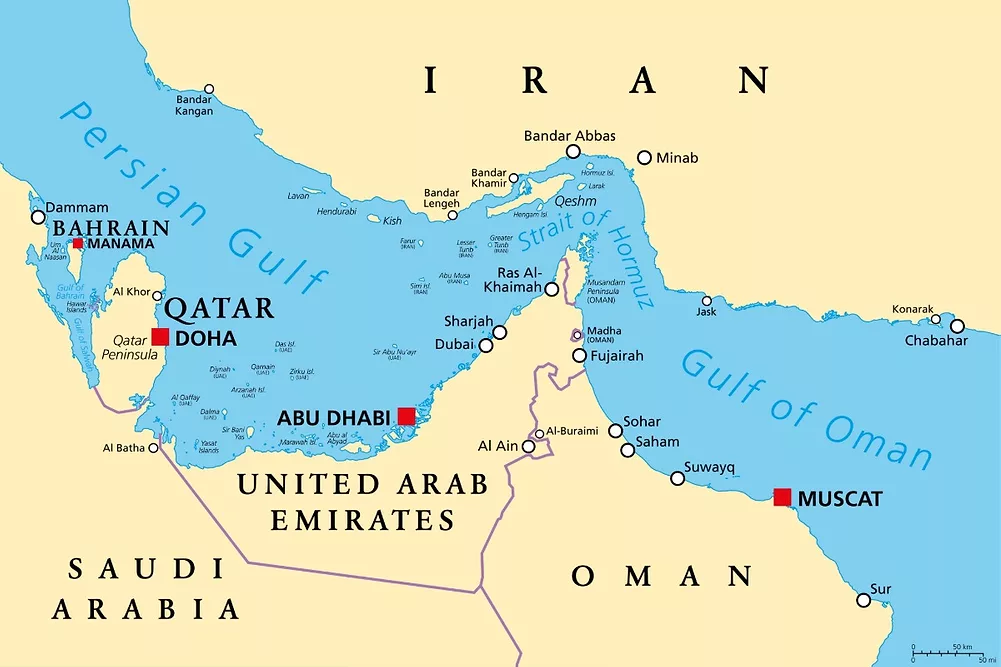
Rising freight rates have become one of the first consequences of the conflict around Iran, which has entered its second week following strikes by the United States and Israel. Despite the tensions, global prices for most agricultural commodities have so far remained relatively stable, although the situation could change if the conflict continues for a longer period.
Stephen Nicholson, global sector strategist for grains, oilseeds and farm inputs at Rabobank, said in an interview with World Grain that key shipping routes such as the Suez Canal and the Strait of Hormuz are not major bottlenecks for global grain flows.
However, the conflict is already affecting transportation costs. According to Nicholson, higher freight rates at both ends of the supply chain are increasing the cost of moving grain and oilseeds, which may eventually affect both producers and buyers.
Farmers could see their basis decline as transportation becomes more expensive, Nicholson explained. At the same time, buyers will feel the impact through higher fuel surcharges and overall logistics costs.
Supply disruptions are already emerging in some markets. Indian exporters report that shipments of basmati rice have been stranded at sea and in ports after freight rates more than doubled. India is the world’s largest exporter of basmati rice, with more than half of its shipments destined for Middle Eastern markets.
The All India Rice Exporters’ Association (AIREA) says there are currently no alternative markets capable of absorbing these volumes. As a result, exporters may be forced to wait for the situation to stabilize or seek more complex logistics solutions.
Nicholson also warned about potential humanitarian consequences if the conflict continues. According to him, the region could face both food supply challenges and rising refugee flows, which would put additional pressure on the global food system.
The fertilizer market could also face further disruptions. Nicholson noted that some suppliers may declare force majeure, leaving buyers without contracted volumes and forcing them back into a market with limited supply.
Despite these risks, Nicholson believes the global grain industry has shown strong resilience. Over the past six years the market has already navigated major disruptions, including the COVID-19 pandemic, Russia’s war against Ukraine, trade tariffs and geopolitical tensions.
“I would give the grain industry a B+ or A- for how it has managed these challenges,” Nicholson said, adding that improved logistics and faster information flow help the market quickly adapt and find alternative supply routes.