

Georgia does not utilize its wheat production potential amid rising imports
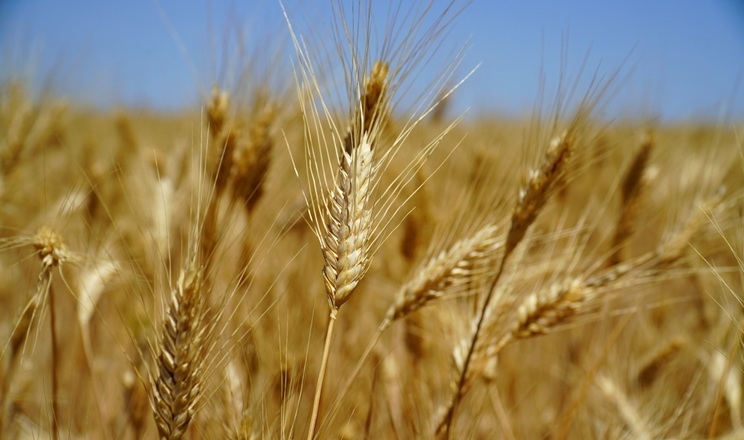
Georgia, recognized as one of the ancient cradles of wheat domestication, is still not using its full potential in wheat production. According to Lali Meshi, founder of the Georgian Wheat Association, the country remains heavily dependent on imports and produces only a small portion of its domestic demand. She noted that industrial wheat production in Georgia likely covers less than 20% of the national need, highlighting the economic and social benefits of developing local production.
Out of 27 wheat varieties cultivated worldwide, 14 are found in Georgia, including five endemic species. Many of these had been neglected for years and were at risk of extinction, but recent efforts by various organizations and state authorities have helped revive these traditional varieties on local farms. This restoration has been boosted by the inclusion of Georgia’s wheat cultivation traditions in UNESCO’s Intangible Cultural Heritage list on December 10, 2025, opening opportunities for commercialization and increasing interest both domestically and internationally.
Interest in growing endemic Georgian wheat has grown significantly in recent years. While only a few farmers were involved a decade ago, today their number has multiplied several times. Meshi emphasized that Georgian wheat differs from industrial varieties and requires careful cultivation practices to preserve its natural yield characteristics, including improvements in soil, seed quality, and farmer knowledge.
Georgian wheat products are noted for their high quality and health benefits, although their price remains higher than industrial wheat bread. Despite this, demand is rising, reflecting growing consumer awareness and preference for premium local products. With the right government policies and support, Georgia could not only satisfy more of its domestic market but also offer a competitive product internationally.
In the first two months of 2026, wheat imports into Georgia increased both in volume and value. Official data show that 48,666 tons of wheat were imported for a total of $12.2 million, compared with 41,821 tons worth $10.1 million in the same period in 2025, representing a 16.3% rise in volume and a 20.6% increase in value.
Russia remains the largest wheat supplier to Georgia, exporting 42,060 tons worth $10.6 million, followed by Kazakhstan with 6,578 tons valued at $1.5 million. Smaller quantities came from Belarus (21 tons, $16,000) and Turkey (5.5 tons, $3,000). The growing reliance on imports underlines the untapped potential of Georgia’s wheat sector and the opportunity for expanding local production.
Read also
BLACK SEA GRAIN. KYIV: Join with a SMART rate by March 31!
Philippines plans 30-day rice price cap amid rising fuel costs
Sunseed prices in Ukraine are growing faster than sunflower oil prices: processing...
Palm oil futures ended higher on Monday
Kazakhstan to reduce wheat sown area to 12.1 mln ha




Got additional questions?
We will be happy to assist!
Write to us
Our manager will contact you soon