

GE seed use in US sees uptick
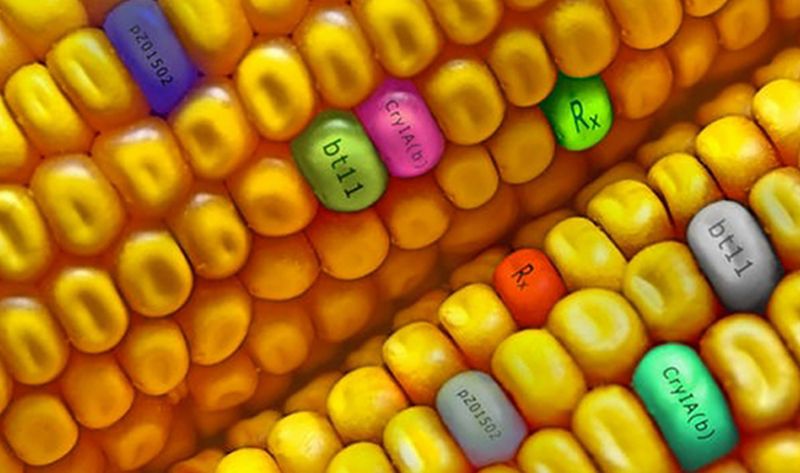
Adoption of genetically engineered (GE) seed varieties currently is over 90% for corn, cotton and soybeans as of 2025, according to a report from the Economic Research Service (ERS) of the US Department of Agriculture.
GE crops are broadly classified in the “Adoption of Genetically Engineered Crops in the United States — Recent Trends in GE Adoption” report as herbicide-tolerant (HT), insect-resistant (Bt) or stacked varieties, which are a combination of HT and Bt traits.
Based on USDA survey data, domestic soybean acres planted with HT seeds rose from 17% in 1997 to 68% in 2001, before plateauing at 94% in 2014. In 2024, soybean HT acreage reached its highest adoption at 96%, which is where it remained in 2025. While adoption grew more slowly for corn, about 92% of domestic corn acres currently are produced with HT seeds. In 2025, 93% of upland cotton acres were GE herbicide tolerant.
Insect-resistant crops, which generally contain genes from the soil bacterium Bt (Bacillus thuringiensis) and produce insecticidal proteins, have been available for corn and cotton since 1996. Domestic Bt corn acreage grew from roughly 8% in 1997 to 19% in 2000, before climbing to 87% in 2025. Currently, 91% of US cotton acres are planted with genetically engineered, insect-resistant seeds.
“Increases in adoption rates for Bt corn may be due to the commercial introduction of new varieties that are resistant to the corn rootworm and the corn earworm (prior to 2003, Bt corn varieties only targeted the European corn borer),” the ERS said. “Adoption rates for Bt corn may fluctuate over time, depending on the severity of European corn borer and corn rootworm infestations.”
Adoption of stacked varieties has increased in recent years with 84% of corn acres planted with stacked seeds in 2025, the ERS said.

Read also
Corn prices in Ukraine remain under pressure from possible decline in export deman...
Three out of ten urea and ammonia exporters may fall out of the market due to the ...
Winter crop conditions in Europe mostly satisfactory – MARS
Black Sea Export Strategies Within the Pressure of the Global Food Market
EU Crop Protection Rules Could Reshape Ukrainian Agriculture Profitability




Got additional questions?
We will be happy to assist!
Write to us
Our manager will contact you soon