

Corn and soybean prices to rise as USDA resumes operations
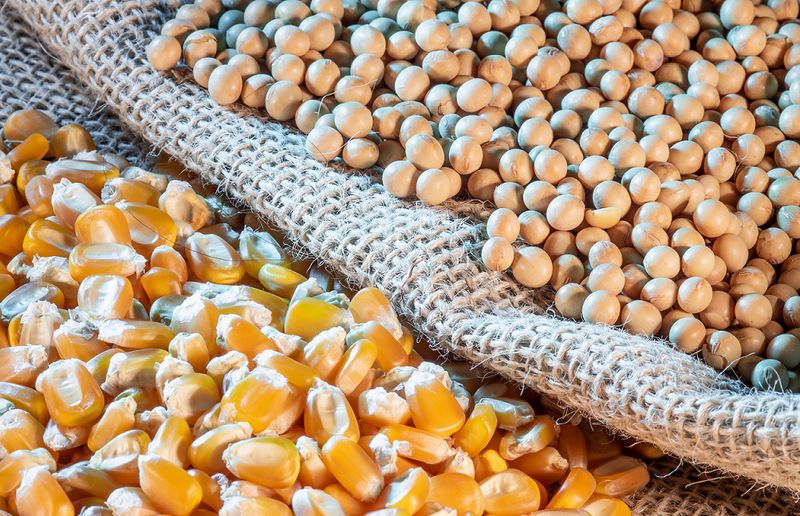
The USDA is still calculating 2025 crop data following the U.S. government shutdown that began in October, but Chief Commodity Economist Alan Suderman suspects that corn and soybean prices have long since bottomed out this year.
The USDA is still calculating 2025 crop data following the U.S. government shutdown that began in October, but Chief Commodity Economist Alan Suderman suspects that corn and soybean prices have long since bottomed out this year.
Soybean prices, in particular, reached a low of $9.60 per bushel in early August but peaked at $11.58 per bushel in early November, when the USDA’s global agricultural supply and demand reports were suspended.
While USDA data has not yet been updated—and won’t be fully updated for several months due to funding cuts—the agency’s November report lowered U.S. soybean production by 1 million tons and corn production by 62 million bushels compared to the last report in September. Traders had expected these declines because the optimistic September harvest data was likely understated. Drought and plant diseases plagued parts of the U.S. in the final weeks of the growing season, which also contributed to higher corn and soybean prices.
But soybean prices rose particularly in response to President Donald Trump’s social media posts suggesting that a trade deal with China would increase demand for U.S. soybeans. Prices have eased slightly in recent weeks, reaching $11.16 per bushel on December 3, as traders assess the likelihood of China fulfilling its full commitment to purchase American soybeans.
However, soybean prices are unlikely to fall to the lows seen this year, as the USDA continues to update—and likely cut—production forecasts.
As for corn, prices remain stable and may even rise, despite a record US harvest, due to strong global demand. While USDA export sales data is outdated, available data suggests US corn supplies will exceed the 200 million bushels USDA projects will be sold this season.
Rising ethanol production partly explains this demand. According to government regulations, Brazil currently blends ethanol into gasoline three times more often than the US. Increased domestic ethanol consumption in Brazil has reduced the amount of corn available for export despite increased production, leading to increased demand for U.S. exports.
Read also
Abbey Commodities – General Partner of BLACK SEA GRAIN.KYIV-2026
Black Sea & Danube Barley Market at a Turning Point: Demand Pressure and Regi...
US Supreme Court rules Trump’s emergency duties illegal
Mercosur: Protective measures for European agriculture
US makes concessions on pulses in new trade deal with India




Got additional questions?
We will be happy to assist!
Write to us
Our manager will contact you soon