

Cold front in the US, drought in Argentina and warming in the Black Sea region will affect agricultural markets this week
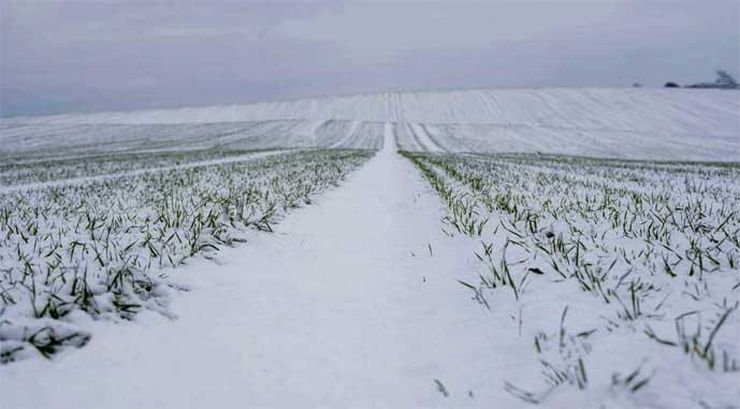
A front of extremely cold Arctic air swept across most of the US over the weekend, bringing heavy snowfall and icing, leading to power outages in more than 700,000 homes and the cancellation of nearly 10,000 flights. A state of emergency was declared in 12 states, and the government said the snowstorm was the worst in 100 years.
In the Midwest of the US, temperatures dropped to 18-22 degrees at night and 10-15 during the day over the weekend, with heavy snowfall covering winter crop fields. But there is a risk of crop damage in some areas not covered by snow, as temperatures reached 0-5 degrees Celsius last week.
Starting Monday, temperatures are forecast to rise to -5-15 degrees without significant precipitation and winds.
In the Central and Southern Plains of the United States, frosts were even stronger and the amount of snow was greater, so the risk of damage to winter crops remains, which could lead to a speculative increase in wheat quotes this week.
Last week, most of Argentina experienced very dry and hot weather with temperatures above 30 degrees, which continues to reduce soil moisture reserves and worsen the condition of soybean and corn crops.
Several waves of precipitation are forecast this week, especially in the center and north, but the amount of precipitation will be too little to improve crop conditions.
Central Brazil continues to receive favorable rainfall for a record soybean harvest. In the south, there is less rainfall, but overall the weather will remain favorable for the next 7-10 days, with moderate rainfall throughout the country.
Severe frosts of -15-22 degrees, which persisted over Ukraine last week, should not have harmed winter crops, since there is 5-15 cm of snow on the fields, and only some areas in the south and east may be in the zone of frost damage.
This week, temperatures are expected to rise to -5 -0 degrees and snowfall to increase, which will continue to improve moisture reserves ahead of spring sowing.
Wet and frost-free favorable weather persists across most of Europe and promotes winter crop establishment and moisture accumulation for sowing. Cyclones are expected this week, bringing cold air and additional precipitation.
In Australia, drought continues to reduce soil moisture reserves, which negatively affects cotton and sorghum crops and prevents moisture accumulation.
Read also
Black Sea Export Strategies Within the Pressure of the Global Food Market
Spring sowing in Ukraine this year starts later than average
Hormuz strait crisis could reopen door for Turkey’s “grain corridor” Role
Russia unable to cover potential global fertilizer shortfall, partly due to Ukrain...
Ukraine falls behind Russia and Romania in wheat exports to Egypt in February




Got additional questions?
We will be happy to assist!
Write to us
Our manager will contact you soon