

China might start importing corn and wheat
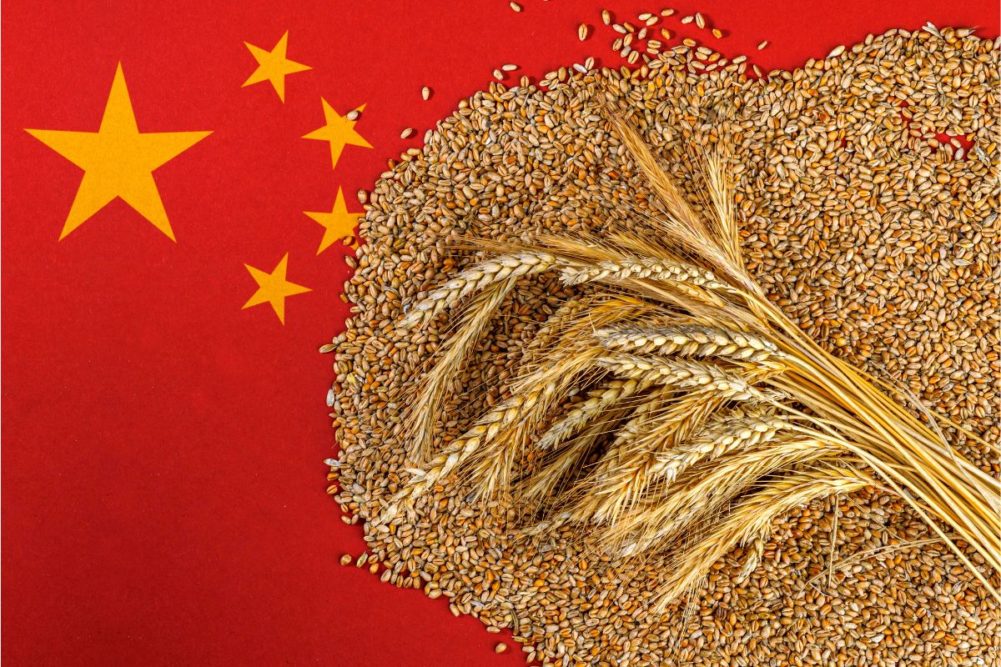
What happens with the wheat market going forward largely depends on China, says an analyst.
Canadian farmers harvested a record 40 million tonnes of wheat in 2025, including 29.3 million tonnes of spring wheat.
The good news is that exports have been surpassing last year’s record pace so far in 2025-26.
Chuck Penner, analyst with LeftField Commodity Research, thinks exports could hit a record 24 million tonnes, although it is still early days.
The problem with this year’s wheat market is that there was record production by the top seven exporters.
Why it Matters: Canada needs strong demand mop up a huge spring wheat crop.
Minneapolis wheat futures have been relatively flat despite the global glut of the commodity, indicating that something is going on with the demand side of the ledger.
Penner said China has not been getting enough attention. There are reports of significant quality losses with China’s corn and spring wheat crops.
China’s farmers just finished harvest, and corn and wheat prices are already starting to rebound, suggesting that domestic supplies are inadequate.
“If China were to start buying corn and wheat again in a bigger way, that changes the global dynamic to quite a large degree,” he told delegates attending the Canaryseed Development Commission of Saskatchewan’s annual general meeting.
Prices are in the sideways phase of the seasonal cycle. That usually lasts until March and then prices strengthen, peaking in May.
Penner is not anticipating a huge price response in the spring of 2026, but there is potential for appreciation if China starts buying more Canadian wheat.
There are also some questions about China’s winter wheat crop, but crops in the United States and the Black Sea are off to a decent start.
Canadian barley and U.S. corn prices have been almost interchangeable in Lethbridge the last few years.
However, U.S. corn is now priced at a sizeable premium so far in 2025-26 due to Canada’s plethora of feed barley production.
“Canadian barley is a bargain,” said Penner.
“That kind of rules out a lot of those imports from the U.S. and shifts more demand back toward Canadian barley.”
Exports have been moving at a good clip because Canadian barley is priced well below barley from France, Ukraine, Argentina and Australia.
That should help draw down stocks.
The downside is that there is more feed wheat, durum and oats due to quality issues with those crops.
Canadian farmers produced 7.1 million tonnes of durum, the largest crop since 2016-17.
Combined ending stocks for Canada, the EU and the U.S. is expected to approach four million tonnes, the largest amount since 2018-19.
That means Canada is facing stiff competition in export markets.
Prices in the EU are “crazy flat,” while tender values in Tunisia have been on the decline.
“The global market right now is just very, very quiet,” said Penner.
For almost 30 years of expertise in the agri markets, UkrAgroConsult has accumulated an extensive database, which became the basis of the platform AgriSupp.
It is a multi-functional online platform with market intelligence for grains and oilseeds that enables to get access to daily operational information on the Black Sea & Danube markets, analytical reports, historical data.
You are welcome to get a 7-day free demo access!!!




Got additional questions?
We will be happy to assist!
Write to us
Our manager will contact you soon