

China increases camellia oil production to reduce import dependence
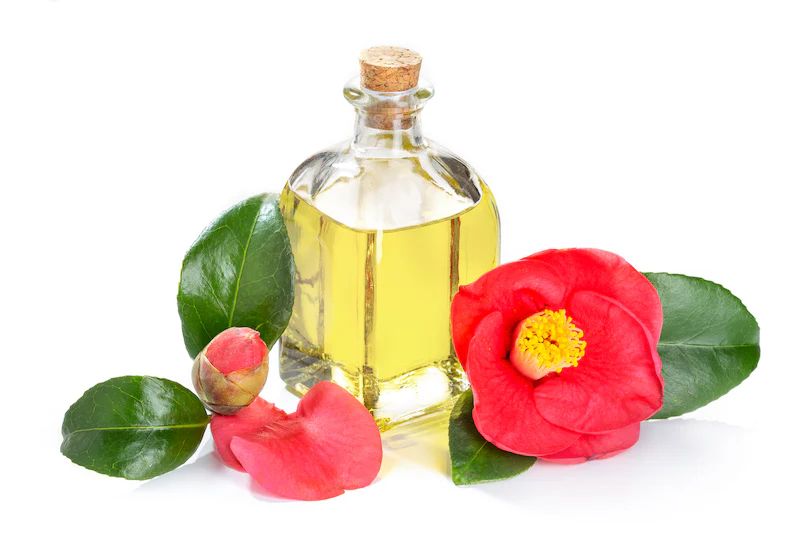
China’s annual camellia oil production has surged by 53 percent since 2020 to reach 1.1 million metric tons annually, following a dedicated three-year, 787,000-hectare expansion of specialized forests.
The past three years also saw 647,000 hectares of tea-oil camellia with low yield transformed, the National Forestry and Grassland Administration said. The total plantation area for the woody plants with economic importance has reached 5 million hectares — that’s a land area equivalent to the size of Costa Rica.
China produces between 90 and 95 percent of camellia oil globally.
However, it still imports over 10 million tons of edible vegetable oils each year, with nearly 70 percent of its supply dependent on foreign sources, according to official data. Thus, further developing the domestic camellia oil sector is seen as a crucial strategy to reduce this reliance.
To boost camellia oil production, China issued a dedicated 2023-25 action plan and introduced subsidies for tea-oil camellia planting, the administration said.
The action plan, unveiled in early 2023, said China will strive to ensure the planting area of tea-oil camellias, or Camellia oleifera, exceeds 6 million hectares by this year, with the production capacity of camellia oil topping 2 million tons.
It also vowed to expand the tea-oil camellia plantation area by 1.3 million hectares and transform 850,000 hectares of low-yield camellia forest.
Following the plan, the administration and the Ministry of Finance launched a subsidy program to establish model production zones for the camellia oil industry. To qualify, projects must have a contiguous camellia forest area exceeding 33,000 hectares and a total investment of over 1 billion yuan ($141 million).
To date, a total of 12 billion yuan in subsidies has been distributed, the administration said.
A series of measures to advance the high-quality development of the camellia oil industry has been pledged. These include expanding the area of camellia forests while simultaneously transforming low-yield plantations to boost total output. The administration has vowed to address bottlenecks in the industrial chain to better integrate upstream, midstream and downstream operations.
Further efforts will focus on cultivating leading processing enterprises to increase the supply of high-quality tea oil and promoting the comprehensive utilization of by-products, it said.
“New integrated development models, such as combining tea-oil camellia planting with tourism or medicinal herbs, will be explored to further boost overall economic returns,” the administration said.
Read also
India plans to delay signing of trade deal with US by several months
EU demand for palm oil continues to decline
Thailand has slowed down rice exports to the Middle East
2026-2030 Economic Outlook: New Business Architecture
Sowing in Ukraine is not threatened, there is plenty of fuel, – Sobolev




Got additional questions?
We will be happy to assist!
Write to us
Our manager will contact you soon