

China cuts tariffs on EU pork imports after lengthy investigation
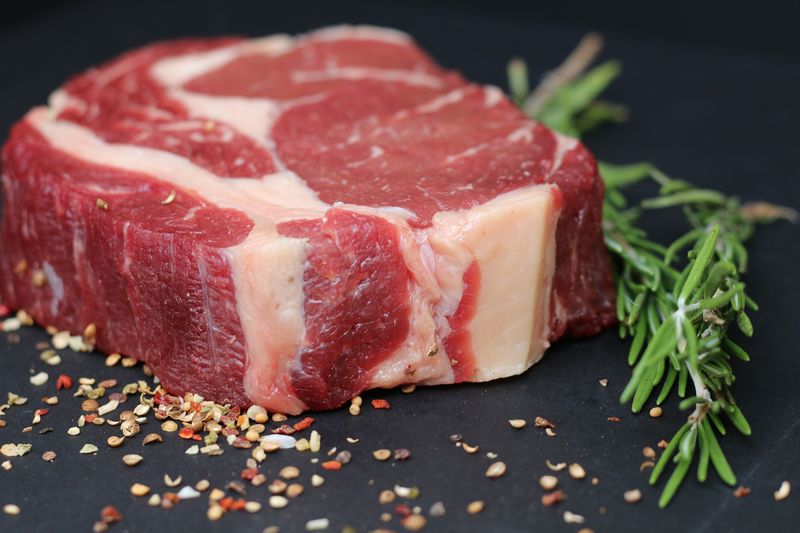
A final anti-dumping decision sharply reduces tariffs, easing pressure on European exporters and providing modest support to China’s struggling pork sector.
China has significantly reduced tariffs on pork imports from the European Union, partially relieving European producers following an 18-month anti-dumping investigation that was widely seen as retaliation for EU duties on Chinese electric vehicles.
In its final decision, published Tuesday, China’s Ministry of Commerce set new tariffs ranging from 4.9% to 19.8% on EU pork imports for a five-year period beginning Wednesday. This move marks a sharp reduction from the preliminary rates of 15.6% to 62.4% imposed in September. Importers will be refunded any difference in duties paid since the preliminary decision.
The court’s decision affects over $2 billion worth of EU pork exports to China and comes as a relief to producers heavily dependent on the Chinese market, particularly for offal such as pig ears and feet, for which demand elsewhere is limited. In 2024, China imported $4.8 billion worth of pork and offal, more than half of which came from the EU. Spain was the bloc’s largest exporter by volume.
The investigation, launched in June 2024, affected major exporters, including Spain, the Netherlands, and Denmark. It unfolded amid broader diplomatic engagement, including renewed negotiations on electric vehicle tariffs and recent visits to Beijing by French President Emmanuel Macron and Spanish King Felipe. Regional officials in Spain also pushed for tariff reductions, citing Spain’s openness to Chinese investment in the auto industry.
Industry groups welcomed the tariff reductions but emphasized that they still represent a cost. The French pork producers’ association Inaporc stated that all cooperating exporters were granted a 9.8% rate, which brought a “sense of relief,” although the industry cannot be entirely pleased.
This decision comes as China’s pork sector struggles with oversupply and weak consumer demand. Pork prices have been falling throughout 2025 and are expected to remain under pressure. While the tariff reduction may slightly increase imported pork prices and mitigate food price deflation, analysts say the impact is likely to be negligible, benefiting Chinese pork farmers more than price-sensitive import segments.
China continues to use trade instruments against the EU in other countries: an investigation into EU dairy export subsidies is scheduled to conclude next February, and tariffs on EU cognac have already been imposed, highlighting that trade tensions between Beijing and Brussels are far from resolved.
Read also
Black Sea & Danube: Crop and Export Forecast
Ukraine to expand sunflower and rapeseed area while soybeans decline — FAS USDA
Wheat faces biggest weekly drop in eight months on higher inventories
Cargill’s head of world trading departs firm after three decades
Indonesia deploys African weevils to boost palm oil output




Got additional questions?
We will be happy to assist!
Write to us
Our manager will contact you soon