

Canada expects China to cut canola duties
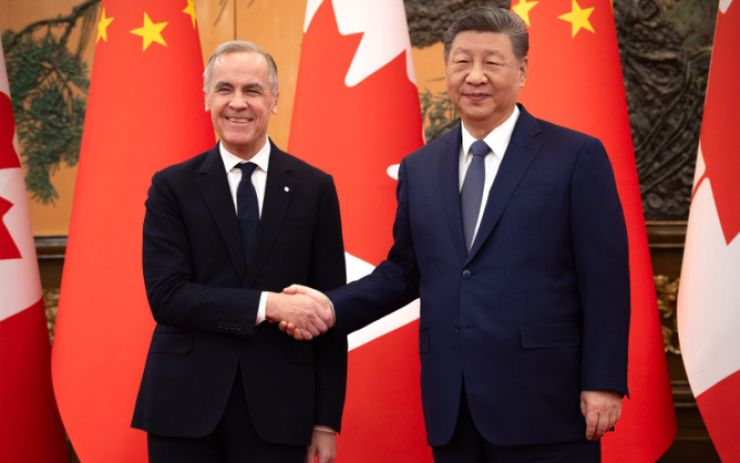
Canada says China is expected to make a decision by March 1 on reducing tariffs on canola, a move that would mark a significant thaw in a trade dispute that has disrupted agricultural flows and strained bilateral relations.
The announcement was made by Canadian Prime Minister Mark Carney during his visit to China on Friday. The decision is part of an agreement reached after months of talks aimed at repairing ties between the two countries. According to Carney, Beijing would lower tariffs on the product to about 15% from more than 80%, and suspend anti-discrimination duties on imports of some other agricultural products, including canola meal and lobsters.
At the same time, Canada will allow 49,000 Chinese electric vehicles into its market at a tariff rate of around 6%, down from the current 100%.
Following the announcement, New York canola futures extended gains of up to 2.6%, reaching their highest level since early December. Beijing has yet to officially confirm the measures, but said in a statement that the two countries have agreed to strengthen cooperation in agriculture and food security.
The talks follow a prolonged period of tension after Canada imposed tariffs on Chinese electric vehicles, steel and aluminum in 2024. In response, Beijing introduced 100% duties on Canadian rapeseed oil and canola meal early last year. China later launched an anti-dumping investigation into Canadian rapeseed, known locally as canola. The final decision stemming from that probe has been postponed until March 9.
Those duties effectively closed the Chinese market to Canadian canola and its processed products, freezing trade worth C$4.9 billion ($3.5 billion) in 2024. The latest steps to ease tariffs could pave the way for reopening the market, providing relief to Canadian farmers and exporters who have been under pressure from ample supplies and limited alternative destinations.
Meanwhile, China has been searching globally for other sources of rapeseed, including booking a series of trial cargoes from Australia following a five-year hiatus due to phytosanitary issues.
“Returning tariff rates to a level that makes Canadian canola competitive again would come as a relief to Chinese crushers, some of which have been idling due to the lack of viable alternative supply sources,” said Even Pay, director at Beijing-based advisory firm Trivium China. He added that it would also benefit China’s world-leading aquaculture sector, which relies on canola meal as a feed ingredient.
Carney has been seeking to rebuild relations with Beijing and reduce Canada’s reliance on the United States after President Donald Trump imposed sweeping tariffs. The prime minister said the suspension of duties on canola meal and lobsters is expected to last from March through at least the end of this year.
For almost 30 years of expertise in the agri markets, UkrAgroConsult has accumulated an extensive database, which became the basis of the platform AgriSupp.
It is a multi-functional online platform with market intelligence for grains and oilseeds that enables to get access to daily operational information on the Black Sea & Danube markets, analytical reports, historical data.
You are welcome to get a 7-day free demo access!!!
Read also
Russia, China and France blocked a resolution on the Strait of Hormuz at the UN
MERCOSUR Agri Markets: The Forces Reshaping Global Supply
Black Sea vegoil market: Russia’s duty shock opens a window, but raw oilseed suppl...
Record rapeseed crop to boost processing in India
Palm oil prices rose, following the rise in crude oil prices




Got additional questions?
We will be happy to assist!
Write to us
Our manager will contact you soon