

Cameroon aims to boost palm oil production to cut its heavy reliance on imports
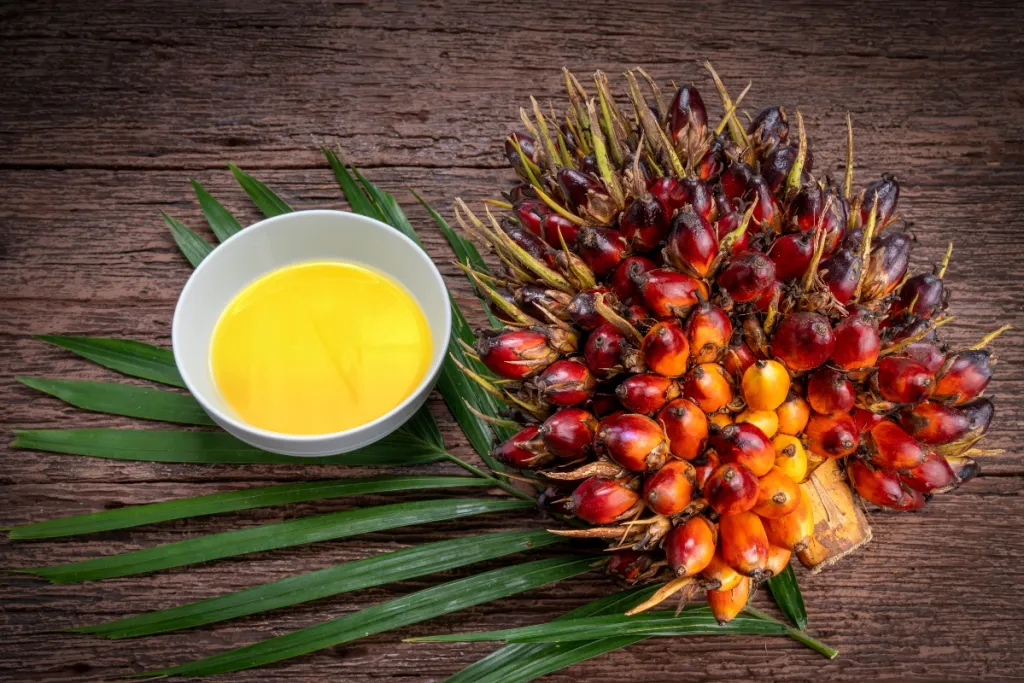
Cameroon has set a goal to increase crude palm oil output by 20,500 tonnes in 2026, seeking to ease its long-standing dependence on imported supplies and strengthen national food security. The move is part of a broader government strategy to modernize the agricultural sector amid a persistent production shortfall exceeding 500,000 tonnes annually.
The effort is backed by CFA51.7 billion (over US$91 million) in new investments, including financing from Standard Chartered Bank London for a palm oil processing plant and a rubber facility under the Cameroon Development Corporation (CDC). Officials say the upgrades will improve processing capacity, enhance efficiency across the value chain, and generate new jobs.
Despite a strong start to 2025 — when production tripled in the first quarter to 77,600 tonnes — domestic output still falls far short of demand. Between 2017 and 2023, Cameroon imported 409,000 tonnes of palm oil, underscoring the scale of the structural deficit facing the sector.
Meeting the 2026 target will require expanding plantations, improving yields for smallholder farmers, and strengthening logistics to ensure steady supply.
If successful, Cameroon could significantly reduce its import dependency, stimulate agro-processing, and improve its competitive standing against major producers such as Indonesia and Malaysia.
For almost 30 years of expertise in the agri markets, UkrAgroConsult has accumulated an extensive database, which became the basis of the platform AgriSupp.
It is a multi-functional online platform with market intelligence for grains and oilseeds that enables to get access to daily operational information on the Black Sea & Danube markets, analytical reports, historical data.
You are welcome to get a 7-day free demo access!!!
Read also
Black Sea Export Strategies Within the Pressure of the Global Food Market
Spring sowing in Ukraine this year starts later than average
Hormuz strait crisis could reopen door for Turkey’s “grain corridor” Role
Russia unable to cover potential global fertilizer shortfall, partly due to Ukrain...
Ukraine falls behind Russia and Romania in wheat exports to Egypt in February




Got additional questions?
We will be happy to assist!
Write to us
Our manager will contact you soon