

Brazil’s soy sustainability agreement threatened by antitrust investigation
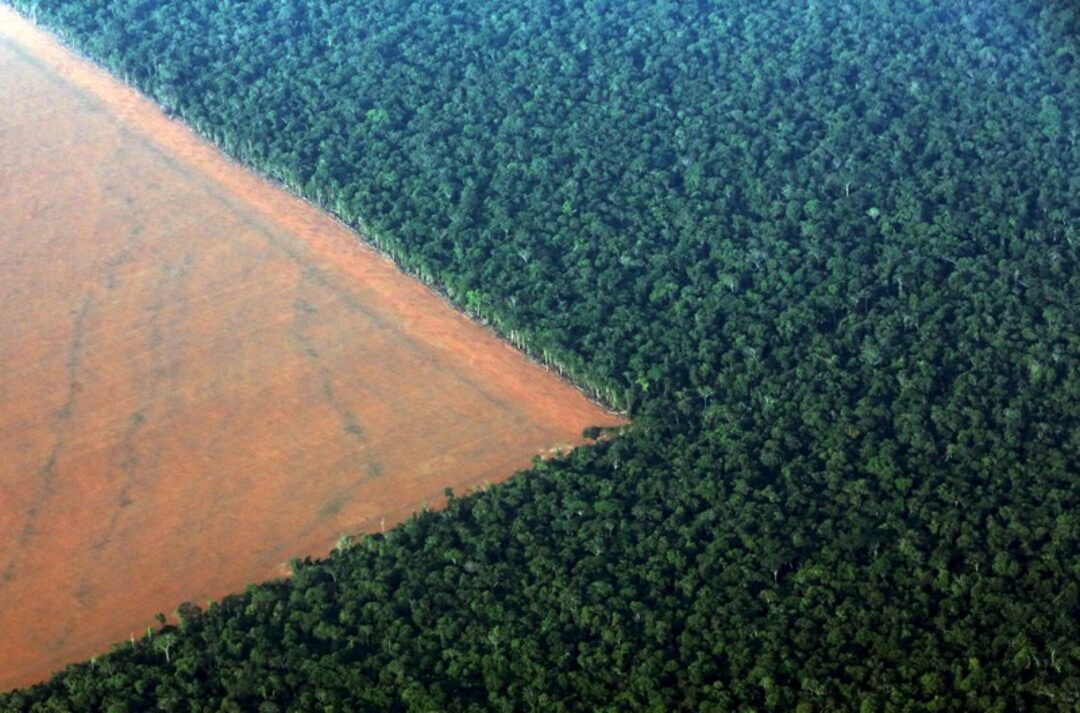
In Brazil, major commodity companies that had been working together to stop sourcing soy from deforested areas are now under investigation for potential antitrust violations. The country’s antitrust authority, the Administrative Council for Economic Defense (CADE), has previously targeted companies such as Apple, as well as producers of prosthetics, cement, and electricity meters, for anti-competitive practices. The voluntary soy moratorium, in effect since 2008, prohibits sourcing soy grown on land deforested after 2006. According to environmentalists, the moratorium reduced the share of new soy plantations on cleared land from 30% to 4% by July 2025, even as Brazil tripled its soy output. Environmental groups call the agreement “the world’s most successful policy to combat deforestation.”
However, the moratorium’s future is now at risk. The CADE investigation was initiated after a complaint filed by the Brazilian lower house’s Agriculture Committee, whose members are closely linked to powerful farming interests. If the courts side with the antitrust authority, companies will no longer be able to coordinate landscape-level efforts to prevent deforestation, and each firm will have to act solely within its own supply chain, leading to duplicated efforts and reduced territorial coverage. In addition, a new law in Mato Grosso state removes tax incentives for companies participating in voluntary environmental agreements, prompting key players to exit the moratorium. Environmentalists warn that applying antitrust laws in this case could undo nearly two decades of progress in forest protection.
Opponents of the moratorium include the influential Brazilian Association of Soy Producers (Aprosoja Brasil), which argues that the agreement was a temporary measure until a specific anti-deforestation law was enacted. With the 2012 Forest Code requiring farmers in forested areas to maintain 80% of their land under natural vegetation, the moratorium has lost relevance. Furthermore, in 2024, Mato Grosso lawmakers revoked tax incentives for companies participating in voluntary agreements, which, according to Aprosoja, limited soy purchases from 4,000 farms, with firms receiving approximately 4.7 billion reals (USD 890 million) in tax benefits from 2019–2024. In December 2025, ABIOVE, representing the key market players, announced its exit from the moratorium, emphasizing that companies will continue to adhere to high social and environmental standards individually.
The combination of antitrust investigations and the removal of tax incentives could create a “domino effect,” threatening other initiatives such as the Soft Commodities Forum (SCF), coordinated by the World Business Council for Sustainable Development, which tracks deforestation-free soy purchases in Brazil’s Cerrado region. CADE has not yet targeted SCF, but such a possibility cannot be ruled out.
Read also
War with Iran and dry weather in the US are pushing up US wheat prices, but they a...
Sunseed prices have risen in Ukraine
China sees rising wheat auction clearance rates amid strong demand
Uzbekistan to ease raw material imports for sunflower oil and other products
BLACK SEA GRAIN. KYIV: Join with a SMART rate by March 31!




Got additional questions?
We will be happy to assist!
Write to us
Our manager will contact you soon