

Artificial intelligence is shaping the future of the flour milling industry
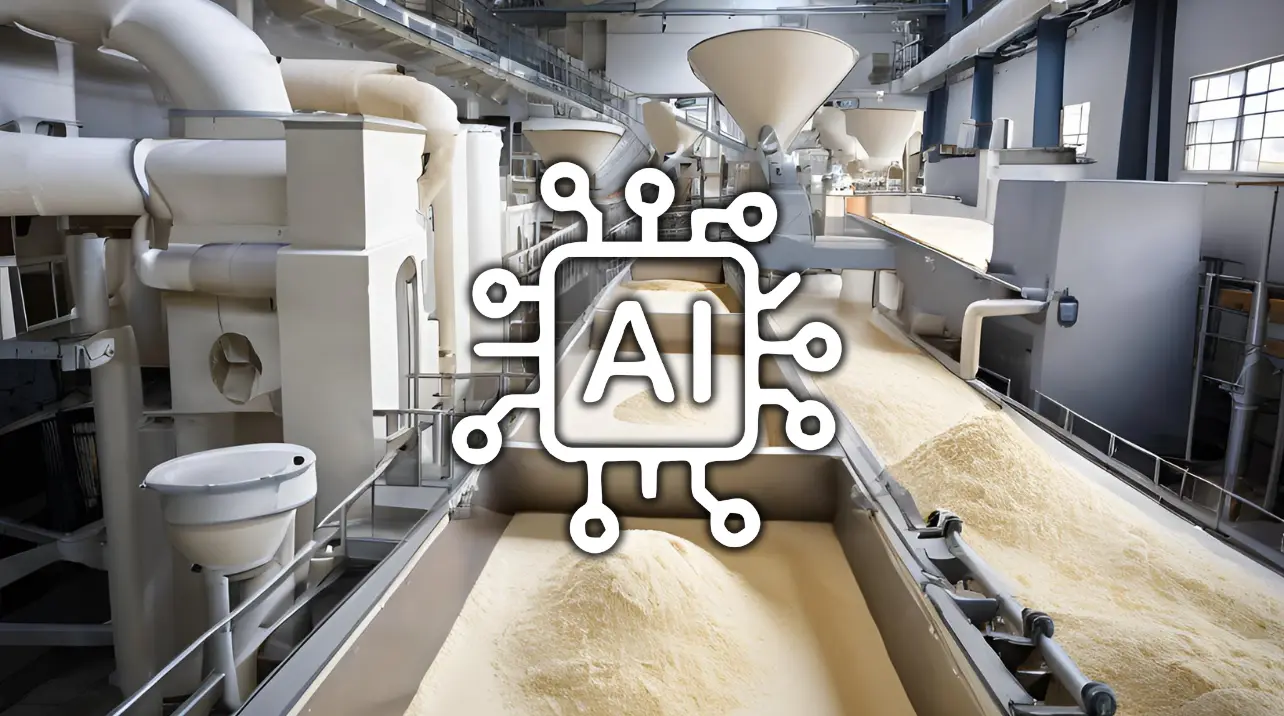
At the IAOM MEA 2025 conference in Jeddah, experts from flour mills, automation, and grain analytics discussed how artificial intelligence (AI) is already affecting purchasing, quality control, traceability, and market risk, and why human expertise and data management remain critical.
The specialists emphasized that quality data is the foundation of any successful AI initiative. Many mills still rely on manual data collection and spreadsheets, which significantly slows decision-making. Integrating data from automated systems and ERP platforms helps shorten this cycle, making decisions faster and more accurate.
Modern digital mills now generate millions of data points every minute. AI enables process optimization and yield improvement, monitors grain quality at intake, and allows for more precise blending to ensure consistent flour quality. This reduces the need for expensive high-protein wheat and increases overall production efficiency.
AI also serves as both a training and simulation tool. Specialists can test new recipes and process settings virtually, evaluating their impact on flour quality before implementing changes on the mill. At the same time, the system trains staff, enhancing workforce competence.
AI implementation extends beyond the mill. It supports full traceability from farm to consumer by integrating data on soil, logistics, storage, and milling. This is especially important for younger consumers who view food as “medicine” and want to know the origin and quality of the products they buy.
Additionally, AI can forecast crop yields and quality before harvest using soil sensors, satellite imagery, and predictive models. This enables pre-harvest contracting based on quality rather than just volume and helps mills plan procurement and adjust processes according to specific grain parameters.
Experts stressed that AI’s success depends on strong data governance and quality. Reliable processes, data management capabilities, and cybersecurity are essential. AI helps improve efficiency, product quality, and decision-making, but regulatory and ethical considerations remain critical to maintaining market stability.
Read also
Ukraine 2026–2030: Global Drivers and Local Transformation
Ukraine Adjusts to Costly Spring Campaign and Builds a New Farming Model
Thailand promotes the use of B20 biodiesel with subsidies
Ukraine offers new-crop grain without the usual discount to old-crop prices
World Bank develops roadmap to modernise wheat sector in Pakistan




Got additional questions?
We will be happy to assist!
Write to us
Our manager will contact you soon