

10 ships with Brazilian soybeans and meal to sail to Iran — they may be redirected to other markets
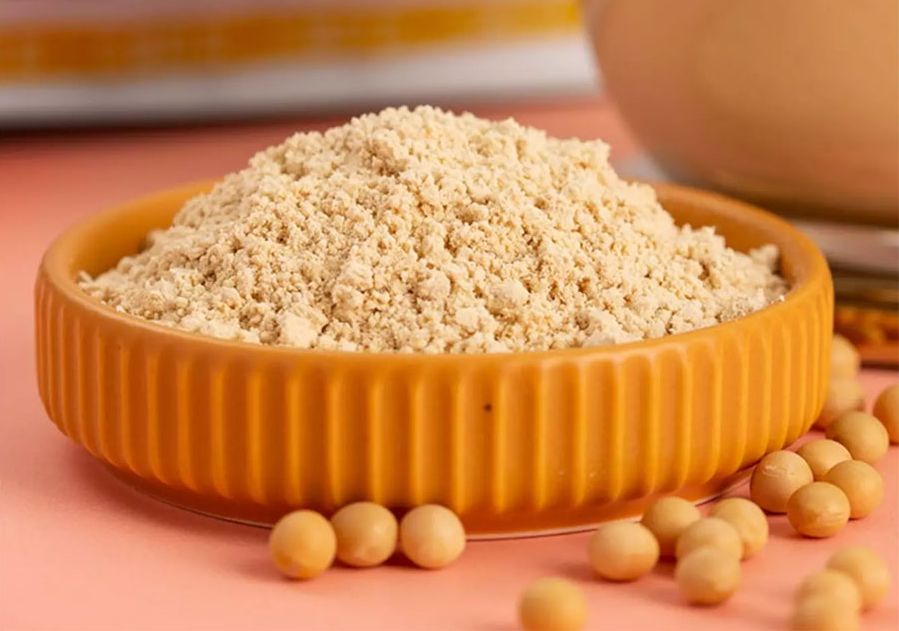
Brazilian farmers could face pressure from the escalating conflict in the Middle East, analysts said, as well as trade data showing the region is a major destination for Brazilian agricultural exports and a key supplier of fertilizers, including urea, Reuters reported.
The US and Israeli strikes on Iran, which have prompted Tehran to launch attacks on other countries in the region and disrupted shipping through the Strait of Hormuz, could lead to the cancellation of grain contracts and a shortage of fertilizers in Brazil, which is heavily dependent on imports.
According to Argus, a consultancy, shipping companies are considering unloading grain cargoes in Oman to avoid risks in the Persian Gulf.
“An alternative could be to cancel grain shipments. It is also unclear at this time whether it will be possible to deliver the cargo to Oman and from there send it to its final destination by road or rail,” Argus reported.
Bulk cargo, including corn, enters the Middle East through the Strait of Hormuz, said Artur da Anunciasau Neto, owner of shipping agency Alphamar Agencia Maritima.
According to him, the threat to shipping in increasingly dangerous waters has already led to an increase in the cost of marine insurance. According to Alphamar, ten ships with more than 600,000 tons of Brazilian soybeans and soybean meal are due to depart for Iran in the coming days. Depending on the situation, these cargoes may be redirected to other countries.
Last year, Iran was the main buyer of Brazilian corn, importing about 9 million tons, or 20% of all exports. Most of Brazil’s corn is shipped in the second half of the year.
Fertilizer producers in the Middle East, especially Iran, are also important suppliers for Brazilian farmers.
According to the consultancy Agrinvest, Brazil will meet 100% of its urea needs through imports in 2025. About 41% of these imports — nearly 3 million tons — will pass through the Strait of Hormuz.
Francisco Vieira, director of the consultancy Agroconsult, said the war could limit urea supplies and push up prices in the short term.
“We don’t expect any supplies from Iran. We don’t even know if their factories will be bombed,” Vieira said.
According to official figures, Brazil imported 7.7 million tons of urea last year, with direct supplies from Iran accounting for less than 2.5%.
At the same time, due to US sanctions, Iranian shipments often pass through Oman. According to market estimates, 1.3-1.4 million tons of annual urea imports to Brazil are actually of Iranian origin.
“The lack of suppliers from the Middle East will cause an imbalance in the urea market,” said StoneX analyst Renato Fransos.
According to him, Middle Eastern countries export about 22 million tons of urea, which accounts for about 40% of world trade.
Analysts warn that a protracted conflict could affect fertilizer supplies ahead of the 2026/27 agricultural season, the sowing campaign of which in Brazil begins in September.
Tamiras Kateli, founder of consulting and brokerage firm Hudie Consulting, noted that because of the war in Iran, sellers this week began to withdraw price lists for urea, which is already disrupting global trade.
Some of the loss of Iranian supplies could be offset by other countries, but the implications are uncertain. For example, Egypt’s fertilizer production, which accounts for about 8% of global supplies, relies on natural gas supplies from Israel, which could also be at risk.
China, another major fertilizer producer, has been cutting exports in recent years to secure its own market.
Russia, which supplied about 16% of global urea supplies in 2024, could potentially make up some of the shortfall. However, drone attacks, including on a fertilizer plant in Smolensk last month, show that these supplies remain at risk.
Read also
White House launches OnlyFarms platform showing economic results of Trump’s polici...
Ukraine 2026–2030: Global Drivers and Local Transformation
US corn planting seen down, soybean acres up as Iran war drives up costs
Following crude oil: Agriculture may be the next victim of the global shock
Tunisia’s olive oil exports rise in volume but revenues fall on lower prices




Got additional questions?
We will be happy to assist!
Write to us
Our manager will contact you soon